

Being referred to a glaucoma specialist can come as a surprise when you have not noticed any changes in your vision. You may still be reading clearly, carrying out your daily activities without difficulty and have no obvious symptoms to suggest a problem with your eyes.
A referral does not necessarily mean that you have glaucoma. It may be recommended because an eye examination has identified a finding or risk factor that needs closer assessment. Understanding why you have been referred can help you know what to expect during your specialist appointment.
Can Glaucoma Be Present Without Noticeable Symptoms?
Glaucoma damages the optic nerve, which carries visual information from your eye to your brain. One reason it can go unnoticed is that common forms such as open-angle glaucoma usually develop gradually and are painless. Vision changes may not become apparent until the condition has progressed.
This means that being able to read clearly, drive or carry out your usual activities does not necessarily provide a complete picture of your eye health. Changes affecting peripheral vision or the optic nerve may be detected during an eye examination before you become aware of them yourself.
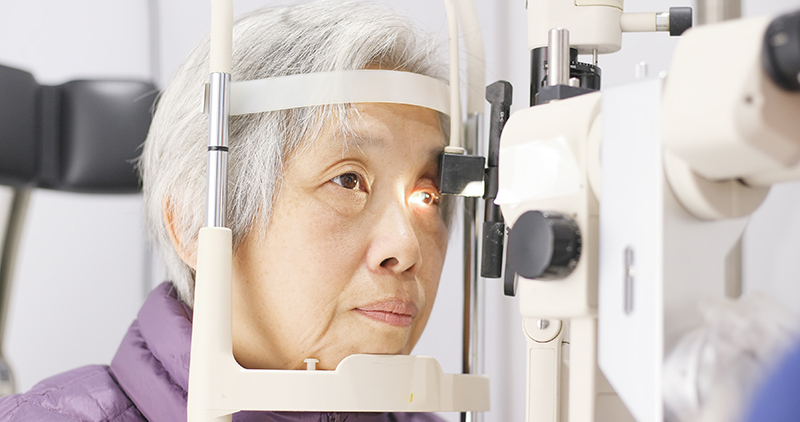
What Might Have Prompted the Referral?
A glaucoma referral can be made for different reasons, even when you have no noticeable problems with your vision. The reason will depend on your individual circumstances and what requires further specialist attention.
Higher Eye Pressure
Elevated intraocular pressure (IOP), or pressure inside the eye, is an important risk factor for glaucoma. However, having higher-than-usual eye pressure does not automatically mean that you have glaucoma. Some people have elevated eye pressure without damage to the optic nerve, while glaucoma can also occur in people whose eye pressure is within the usual range.
Changes in the Optic Nerve
Your eye doctor may notice that the optic nerve looks different from expected or that there is a difference between the two eyes. Because glaucoma can cause characteristic changes to the optic nerve, these findings may warrant more detailed investigation.
An Abnormal Visual Field Test
A visual field test assesses your peripheral, or side, vision. Changes in particular areas of the visual field can raise concern about glaucoma, even when your central vision still seems clear.
Your Overall Risk Profile
Sometimes the referral is based on risk rather than an abnormal test alone. Factors such as increasing age, a family history of glaucoma, thin central corneas, long-term steroid use and certain eye or health conditions can influence your likelihood of developing glaucoma.
What to Expect During a Glaucoma Assessment
Your first glaucoma specialist appointment is designed to build a detailed picture of your eye health. Your specialist will review the reason for your referral and may carry out several examinations to establish a baseline for comparison now and at future visits.
Depending on your needs, this may include measuring your eye pressure, examining and imaging the optic nerve, testing your peripheral vision, measuring corneal thickness and examining the eye’s drainage angle.
These results are considered together rather than in isolation. Your specialist can then explain whether glaucoma is present, whether you are considered at increased risk or whether your eyes simply need to be monitored over time.
Understanding Your Glaucoma Risk with Dr Leo Seo Wei
A glaucoma referral can feel concerning when nothing seems wrong with your eyesight, but that is precisely why further evaluation can be valuable. The aim is to investigate changes or risk factors that may not yet be affecting what you notice day to day, rather than waiting for vision problems to become apparent.
At Dr Leo Adult & Paediatric Eye Specialist Clinic in Singapore, Senior Consultant Ophthalmologist Dr Leo Seo Wei brings more than 20 years of clinical experience to the assessment and management of glaucoma. Care is tailored to your individual eye health, with clear guidance to help you understand your results and the next steps that may be appropriate for you.
Schedule a consultation today for a comprehensive glaucoma evaluation and personalised recommendations for your eye health.
FAQs About Glaucoma Referrals
Should I bring my previous eye test results to the specialist?
Yes, previous eye pressure readings, visual field tests, scans and other eye records can provide useful points of comparison. They may help your specialist determine whether a finding is new, longstanding or changing over time.
Does a glaucoma referral mean I will eventually need surgery?
No. Being referred does not mean you will need glaucoma surgery or even that you have glaucoma. If glaucoma is diagnosed, treatment depends on its type and severity and may include eye drops, laser treatment or eye surgery where appropriate.
Can I continue wearing contact lenses before my appointment?
You can generally continue wearing your contact lenses before the appointment, although you may need to remove them for certain eye tests. Bring your glasses as well so you have an alternative during or after the examination.