
Myopia Control for Children and Adultsin Singapore

Singapore has one of the highest myopia rates in the world.
60% of Primary 6 children and over 80% of 18-year-olds are already myopic. But myopia is not inevitable. With early specialist intervention, its progression can be significantly slowed
What is Myopia?
Myopia, commonly known as short-sightedness or near-sightedness, is a refractive error of the eye in which nearby objects appear clear, but distant objects appear blurred. It occurs when the eyeball grows too long from front to back, or when the cornea or lens is too curved. As a result, light entering the eye focuses in front of the retina instead of directly on it, causing distant images to appear out of focus.
Myopia typically develops during childhood and progresses as the eye grows. Particularly severe myopia, referred to as high myopia, carries a significantly elevated risk of serious eye complications later in life, including retinal detachment, glaucoma, early-onset cataracts, and myopic maculopathy.
What Causes Myopia?
Myopia develops when the eyeball grows longer than it should, causing light to focus in front of the retina rather than directly on it. While the exact cause is not fully understood, research consistently points to a combination of genetic and environmental factors that influence how the eye develops during childhood.
Genetics and Family History
A child's risk of developing myopia is significantly higher if one or both parents are myopic. Research shows that children with two myopic parents have a substantially greater likelihood of becoming myopic themselves, and tend to develop the condition earlier and to a greater degree.
Prolonged Near Work
Near work refers to activities that involve focusing on objects at a close distance, such as reading, writing, using smartphones, tablets, computers or other digital devices. Spending long periods on these activities has been associated with an increased risk of myopia onset and progression. It is thought that sustained close focusing may contribute to elongation of the eyeball over time. Children who spend significant time on near work without taking regular breaks may be at higher risk of developing or worsening myopia.
Insufficient Outdoor Time
Exposure to natural bright light is believed to stimulate the release of dopamine in the retina, which plays a role in regulating eye growth. Children who spend around two hours outdoors each day have been shown to have a lower risk of developing myopia. This is thought to be one of the factors contributing to the particularly high rates of myopia in academically intensive urban environments like Singapore.
Excessive Screen Use
The widespread use of smartphones, tablets, and computers from an early age has been associated with increased myopia risk, both due to the near work involved and the corresponding reduction in outdoor activity. The COVID-19 pandemic, which led to prolonged home-based learning and increased screen exposure, was associated with a measurable acceleration in myopia onset and progression among children in Singapore and across Asia.
Age of Onset
Although age of onset is not a direct cause of myopia, children who develop myopia at a younger age (particularly before the age of 8) are at significantly greater risk of developing high myopia by adulthood, as their eyes have more years to continue growing while the condition progresses.

Near Objects Are Clear, Far Objects Are Blurry
- When Relaxing on the Couch to Watch TV Doesn’t Cut It Anymore
- When Decreased Illumination Hinders Your Visual Acuity
When Seeing Clearly Now Requires More Straining
Seeing Normally Should Not Be Uncomfortable

Book an Appointment
Let our optometrists and eye specialist conduct an eye check to determine if you have myopia or not, as well as its severity.
Prompt & Effective Myopia Treatment
Myopia is best treated in childhood. We can slow the progression of myopia using a variety of methods, including special atropine eye drops and visual aids.
Clear & Comfortable Vision
With early intervention and customized visual aids, clear vision and an increased quality of life can be achieved!
Our Eye Clinic’s Experience & Expertise in Myopia Control
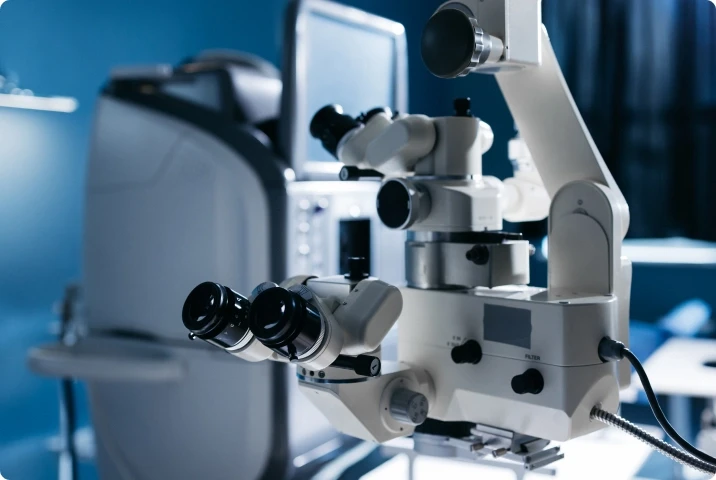
Our myopia clinic in Singapore provides comprehensive assessment and personalised myopia control for children. Using modern diagnostic technology, including axial length measurement, we monitor myopia progression accurately and evaluate how well treatment is working over time.
Treatment plans are tailored to each child's age, rate of myopia progression and lifestyle. Depending on the assessment, treatment may include atropine eye drops, myopia control spectacle lenses, orthokeratology or a combination of approaches. Our clinic also provides age-appropriate eye assessments for young and pre-verbal children who may not be able to complete standard vision tests.
How Is Myopia Diagnosed?
Myopia is diagnosed through a comprehensive eye examination by an optometrist or ophthalmologist. Parents may wish to arrange an assessment if their child squints to see distant objects, sits very close to screens, has difficulty seeing the whiteboard at school or frequently complains of headaches or blurred distance vision.
A myopia assessment may include:
- Visual acuity test: Measures how clearly your child can see at different distances.
- Refraction assessment: Determines the degree of myopia and the prescription needed to correct vision.
- Cycloplegic refraction: Uses eye drops to temporarily relax the focusing muscles, providing a more accurate measurement in children.
- Axial length measurement: Measures the length of the eyeball to monitor myopia progression and guide treatment.
- Retinal examination: Examines the back of the eye to check for any changes associated with myopia.
Regular eye examinations can help detect myopia early, allowing appropriate treatment to slow its progression where suitable.
How Is Myopia Treated?
Although myopia cannot be reversed, early treatment can help slow its progression and reduce the risk of developing high myopia later in life. Treatment is personalised based on your child's age, degree of myopia and rate of progression.
Common myopia control treatments include:
- Low-dose atropine eye drops: Nightly medicated eye drops that help slow myopia progression in suitable children.
- Orthokeratology (Ortho-K): Specially designed contact lenses worn overnight to temporarily reshape the cornea and help control myopia progression.
- Myopia control spectacle lenses: Specialised spectacle lenses designed to correct vision while helping to slow myopia progression.
- Multifocal soft contact lenses: An option for suitable older children to correct vision and manage myopia progression.
Your ophthalmologist will recommend the most appropriate treatment after assessing your child's eyes and monitoring how quickly their myopia is progressing.
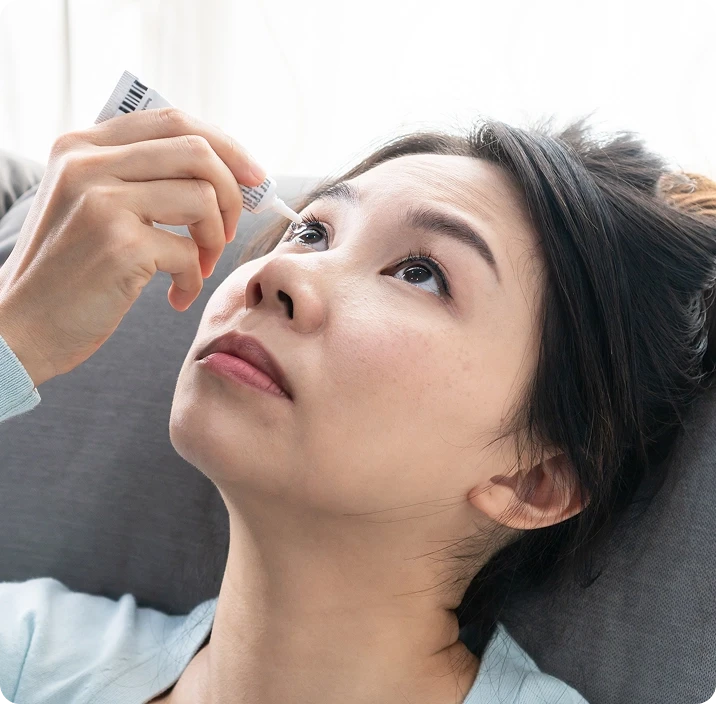
Our Clinic Offers Industry-Recognized Atropine Eye Drops for Childhood Myopia
Low-dose atropine eye drops are one of the key myopia control treatments offered at our clinic. As childhood myopia continues to become increasingly common in Singapore, we provide personalised atropine treatment alongside regular monitoring to help slow myopia progression and support your child's long-term eye health.

What It Does
The low-dose 0.01% atropine eye drops have proven very useful in controlling myopia progression in children. The lowest dose of 0.01% has minimal side effects. There is minimal dilation of the pupil and almost no effect on the near vision ability for children.
Studies have shown that topical atropine is well-tolerated and effective in slowing the progression of mild and moderate myopia in Asian children.
Higher-dose 1% atropine eye drops have been used to slow myopia progression at the Singapore National Eye Centre since the 1990s. Lower-dose atropine eye drops, such as 0.01%, have since been introduced as a myopia control option. They have been shown to slow myopia progression in suitable children while generally being associated with fewer side effects, such as near blur and glare, than the higher 1% concentration.
Protecting Your Child's Vision with Early Myopia Control
Myopia often progresses as a child's eyes continue to develop. Early assessment and personalised myopia control can help slow its progression and reduce the risk of high myopia and related eye complications later in life.
At Dr Leo Adult & Paediatric Eye Specialist Clinic, Senior Consultant Ophthalmologist Dr Leo Seo Wei provides comprehensive myopia assessment and personalised treatment plans tailored to each child's age, eye health and rate of progression. If you are concerned about your child's vision or worsening myopia, arrange a consultation to discuss the most appropriate myopia control options.
FAQs on Myopia & Myopia Control
Myopia occurs when the eyeball is too long or when the cornea is too curved. Distant objects thus appear blurry because their images are focused in front of the retina (the light-sensitive part of the eye) rather than precisely on it.
Even as myopia increases collectively around the world, myopia prevalence seem to also vary by ethnicity, with East Asians leading the pack. In Singapore, 10% of kindergarten children, 60% of Primary 6 children and 80% of 18-year-olds are myopic. Myopia usually stabilizes in one’s twenties.
Genetics: The risk of developing myopia is higher if one or both parents are myopic
Environmental: Excessive near-sighted work (e.g. reading, computer games, and mobile use) and insufficient outdoor time increases the risk of myopia
Other than the inconvenience of wearing glasses and undergoing treatment, myopia (particularly severe myopia) can be associated with visual complications such as:
- Macular Degeneration : Severe myopia may be associated with macular degeneration, which results in irreversible vision loss in the centre of the visual field
- Cataracts : Myopia is linked to the earlier onset of cataracts, the clouding of the eye’s natural lens
- Glaucoma : Severe myopia increases the risk of developing glaucoma, which left untreated can lead to blindness
- Retinal Tears & Detachment : Eyes with severe myopia are overly elongated, resulting in a thinner retina that is more prone to tears, holes and detachments
Early detection of myopia and intervention is crucial. Go for annual eye checks
At our clinic, pre-verbal children can also be effectively tested for myopia through specially-adjusted tests
Being actively involved outdoors and periodically taking eye breaks by looking at distant objects
Getting customized visual aids (e.g. spectacles) so that your eyes no longer have to strain to see clearly, which worsens your vision
Meet Our Eye Specialist in Singapore
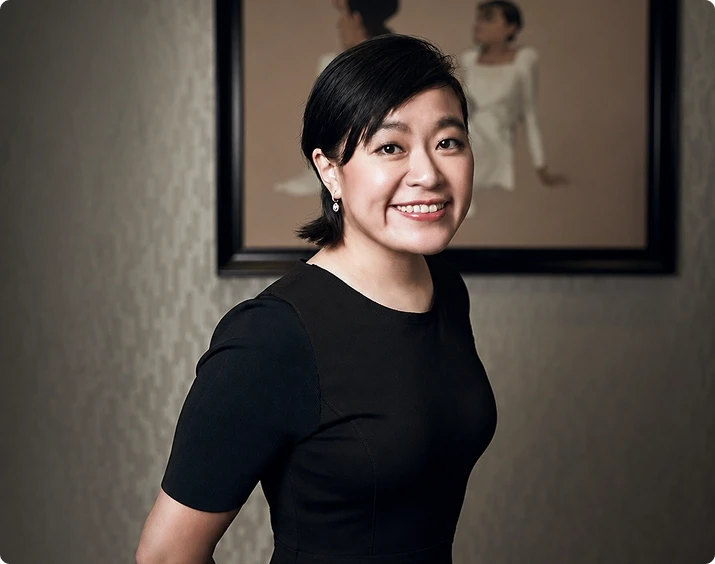
MBBS (S'pore), MRCSEd (Ophth, UK), MMed (Ophth, S'pore), FRCSEd (Ophth, UK), FAMS (Ophth, S'pore)
Dr Leo Seo Wei is a senior consultant ophthalmologist with over 20 years of clinical experience in diagnosing and managing glaucoma and other eye conditions. She provides comprehensive glaucoma care, from early detection and ongoing monitoring to medical therapy, laser treatment and glaucoma surgery, with personalised management plans tailored to each patient's condition.
In addition to glaucoma management, Dr Leo has extensive experience treating a wide range of adult and paediatric eye conditions. She is committed to helping patients preserve their vision through timely diagnosis, evidence-based treatment and long-term follow-up.