
Eye ScreeningIn Singapore
Why Is Eye Screening Important?
Regardless of your age or overall health, regularly visiting your doctor for comprehensive eye screening exams can help detect vision-threatening conditions in their early stages while they are still most treatable.
Eye screening is beneficial for people of all age groups. For children, early detection of vision problems is especially important. Conditions such as myopia, which is very common in Singapore, can often be managed with appropriate treatment to slow progression. Amblyopia (lazy eye) can also have excellent outcomes if diagnosed and treated early, making regular eye checks during childhood particularly valuable.
For adults, routine eye examinations can help detect conditions such as glaucoma, cataracts, or retinal disorders before significant symptoms develop. For those diagnosed with myopia or presbyopia, eye screening also ensures that the correct spectacles or contact lenses are prescribed, helping to maintain clear and comfortable vision.
Most eye conditions don’t cause symptoms until the later stages when the damage has already progressed and may even be irreversible. With regular check-ups, eye specialists can check the patient’s risk of developing certain eye conditions and eye infections, and prescribe immediate and appropriate treatment to prevent further vision loss.
Comprehensive Eye Screening Clinic
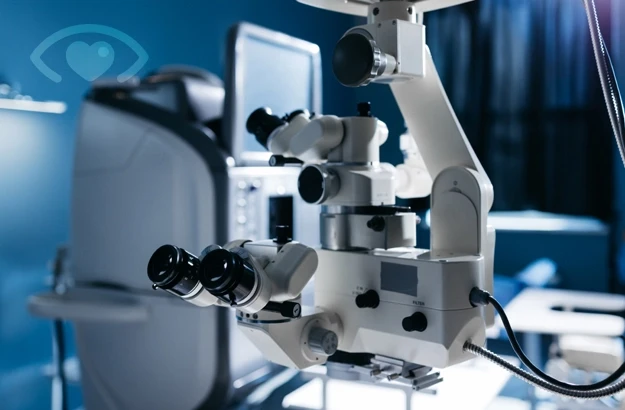
Eye screening tests in Singapore typically involve examinations to ensure optimal eye health. At Dr Leo Adult & Paediatric Eye Specialist, we offer a complete range of eye screenings for adults and children within a comfortable and stress-free environment. Whether they are standard and routine screenings, or customised screenings for specific conditions, we are able to offer them seamlessly under one roof.
What Are the Different Types of Eye Screening Tests in Singapore?
The types of eye screening tests recommended may vary depending on a person’s age, symptoms, and individual risk factors. During an eye screening, the doctor may perform several tests to assess vision and check for early signs of eye conditions. Common types of eye tests and examinations include:

Visual Acuity Test
Tonometry
Retina Exam
This comprehensive exam evaluates the back of the eye, including the retina, optic disc, and underlying blood vessels.
It helps detect conditions such as retinal tears, macular degeneration, and signs of systemic diseases like diabetes or hypertension. This test is particularly important for people with diabetes, who may develop diabetic retinopathy, and individuals with high myopia, who have a higher risk of retinal thinning or detachment.
Refraction Exam
This test determines the lens prescription needed for glasses or contact lenses.
Its purpose is to identify the exact lens power required to correct refractive errors such as myopia (short-sightedness), hyperopia (long-sightedness), astigmatism, or presbyopia.
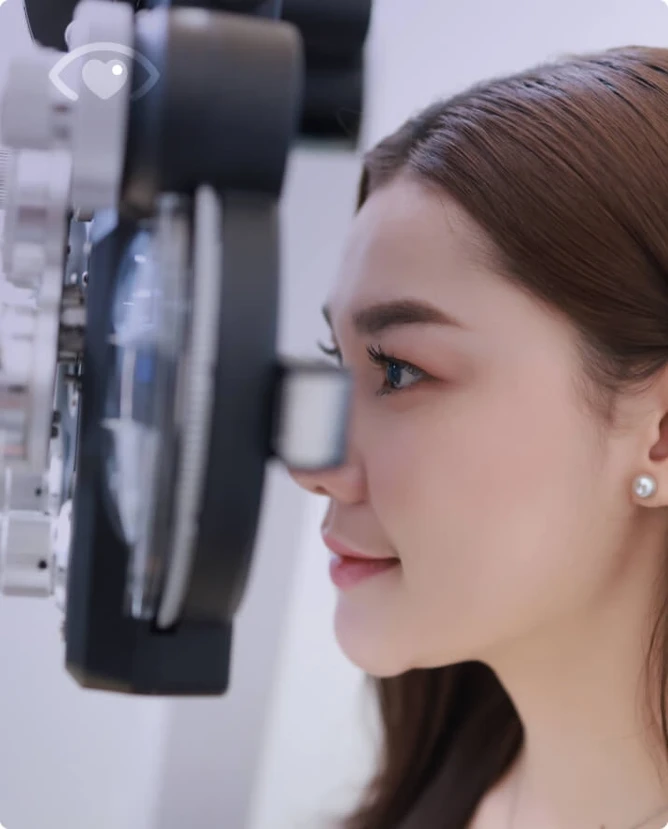
During the exam, you will be asked to look through a device called a phoropter while the doctor presents different lens options and asks which provides clearer vision. By comparing these responses, the doctor can determine the most suitable prescription to improve visual clarity.
Slit-lamp Exam
Red Reflex Examination
Corneal Pachymetry
Humphrey Visual Field Test
Dry Eye Evaluation
Ishihara Colour Vision Test
Optical Coherence Tomography (OCT)
Corneal Topography
Types of Eye Screening Packages in Singapore
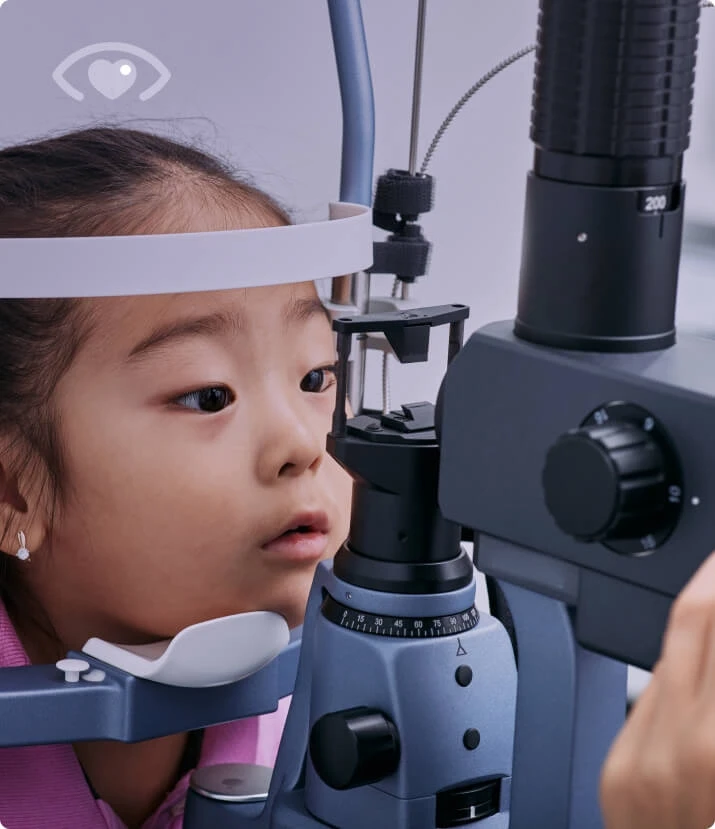
Eye screenings are recommended for children especially before he or she starts kindergarten. You should also get your child’s vision assessed if you notice signs that he or she is not seeing well. Eye tests are crucial to ensure your child's vision develops properly.
Children’s eye screening may include tests such as visual acuity tests, eye alignment assessments, and myopia screening. These tests help detect common childhood eye conditions such as myopia (short-sightedness), amblyopia (lazy eye), and strabismus (eye misalignment).
For teens and adults, it is recommended to undergo eye exams once every two years or so. For those with existing eye conditions, it is advisable to have your eyes checked annually to ensure your condition is still well-managed, or if it has changed.
Regular eye screening can also address lifestyle-related vision concerns, such as eye strain from prolonged screen use, vision clarity required for safe driving, and eye health for those who wear contact lenses.
Early detection of glaucoma is vital to slowing the condition and preserving sight. Comprehensive eye exams for age-related eye conditions like glaucoma is recommended starting from age 40. These specialised screenings are designed to identify and manage glaucoma.
These specialised screenings are particularly important for high-risk individuals, including those with a family history of glaucoma, diabetes, or people over the age of 40.
Cataract screenings involve a series of eye tests and imaging techniques used to detect clouding of the eye’s natural lens, which can gradually impair vision. These tests can identify early cataract changes even before noticeable symptoms develop, allowing doctors to monitor progression and advise on appropriate management.
Screening may be recommended for older adults, individuals experiencing blurred or dim vision, increased glare from lights, or difficulty seeing at night.
How Can I Prepare for Eye Screening?
Preparing for an eye screening can ensure more accurate results and a smoother experience.
- Avoid Straining Your Eyes – Refrain from excessive use of digital devices beforehand. Prolonged screen time can cause eye strain and fatigue, potentially affecting the test results.
- Do Not Wear Contact Lenses – If you wear contact lenses, remove them beforehand as they can temporarily change the shape of your cornea, which may affect the results of certain tests.
- Limit Caffeine Intake – Consuming high amounts of caffeine can lead to increased eye pressure and might influence the results of your intraocular pressure test.
- Avoid Alcohol – Drinking alcohol before the test can lead to blurred vision and dilated blood vessels in the eyes, potentially affecting the accuracy of certain tests.
- Medical History Information – Prepare a list of medications you are taking and any known allergies. Be sure to include any relevant medical or family history related to your eyes.
- Eyeglasses and Contact Lenses – Bring your current eyeglasses or contact lenses along with their prescription details.
- Sunglasses – Eye exams often include pupil dilation, making your eyes sensitive to light. Sunglasses can protect your eyes from bright light and make your trip home more comfortable.
- List of Questions or Concerns – Jot down any questions or concerns you have about your vision or eye health so that you can address important topics during your appointment.
How Often Should You Go for an Eye Examination?
To help keep one’s eye health and vision in check, adults aged 18 to 60 are advised to undergo a full eye exam every two years. On the other hand, annual screenings are recommended for those who:
- Are 61 years old and older
- Have a family history of eye conditions such as glaucoma or diabetes
- Have had eye infections, injuries or surgery to the eye
- Have been prescribed eyeglasses or contact lens
For teenagers and children, vision tests should be conducted as early as 4 years old, with routine check-ups and eye examinations done every one to two years. Babies and toddlers will typically have their eyes checked during their regular paediatrics appointments. These include screening for strabismus, amblyopia and childhood myopia.
Common Eye Conditions Found After an Eye Screening
With regular eye screening, you can help protect your eyes from potentially serious conditions that may result in vision loss or even irreversible blindness. These include:
Commonly associated with old age, AMD refers to damage in the retina’s macula, resulting in no or blurry central vision. One of the leading causes of vision loss, this condition has no cure, but its progression can be prevented using vitamins, medicines and laser therapy.
Like AMD, the development of cataracts is closely related with age. Cataracts refer to the clouding of the eye’s lenses, caused by the breakdown and clumping of proteins in the eyes. This results in dim or blurry vision. The condition is typically treated via bladeless cataract surgery, which replaces the cloudy lens with a clear one.
Caused by damage in the optic nerve, glaucoma results in progressive and irreversible vision loss if left untreated. The condition may be incurable, but its progression can be slowed down with immediate treatment in the form of special eye drops or surgery.
Myopia (nearsightedness) and presbyopia (farsightedness) can be detected through eye screenings. Immediate detection of these conditions can help doctors prescribe spectacles or surgical options (in serious cases) to correct vision and prevent the condition from worsening.
This serious condition occurs when the retina pulls or tears away from its original position, leading to permanent vision loss. If diagnosed early, its effects can be stopped, though damage to the vision is irreversible.
Diabetic retinopathy screening checks for damage to the retina caused by diabetes, which can affect the small blood vessels at the back of the eye. These examinations may include retinal imaging or dilated eye exams to detect early changes before vision is affected.
Keratoconus screening checks for thinning or abnormal bulging of the cornea, which can affect vision and cause irregular astigmatism. Tests such as corneal topography are used to map the shape of the cornea and detect early changes.
Dry eye disease screening evaluates tear production and tear quality to identify conditions that may cause eye dryness, irritation, or discomfort. It is common across all age groups and may be linked to factors such as prolonged screen use, ageing, environmental conditions, or contact lens wear.
Why Choose Dr Leo for Eye Screening in Singapore?
We provide comprehensive eye screenings for patients of all age groups, focusing on early detection and long-term eye health. Our experienced team conducts thorough examinations using modern diagnostic technology to ensure accurate and reliable results.
We prioritise personalised, patient-centred care, taking the time to understand each patient’s needs and concerns. Combined with our comfortable clinic environment, we aim to make every screening experience smooth and reassuring.
With a commitment to quality screening and cost-effective care, our services are designed to be accessible, dependable, and convenient for individuals and families seeking trusted eye care in Singapore.
FAQs about Eye Screening
Dilation can cause temporary blurry vision and light sensitivity for a few hours after your exam. If your eyes were dilated during the eye screening, please arrange for someone to pick you back home.
The cost of an eye screening in Singapore can vary widely, depending on the clinic and tests performed. Please reach out to us for more detailed information.
Yes, regular eye screenings are important even if you do not have noticeable symptoms. Furthermore, many eye conditions develop gradually without obvious symptoms until it has become advanced.
It is generally recommended to have an eye examination every one to two years, depending on your age, risk factors, and current eye conditions (if any).
Watch for symptoms like blurred vision, eye pain, frequent headaches, and sudden vision changes. These could be signs of underlying eye conditions that need professional attention.