
Upneeq Eyedrops for Droopy Eyelids
(Ptosis)

Droopy eyelids can make you look tired and, in some cases, affect your vision. But surgery isn't always the only option.
At Dr Leo Adult & Paediatric Eye Specialist, we offer Upneeq (oxymetazoline hydrochloride 0.1%), a prescription eyedrop that may temporarily lift droopy upper eyelids in suitable adults. Whether it is right for you depends on the cause of your ptosis and your individual needs.
What Is Ptosis and Why Does It Happen?
Ptosis, also known as blepharoptosis, occurs when the upper eyelid sits lower than its normal position. It may affect one or both eyes and can range from a slight droop to more significant eyelid obstruction, potentially affecting activities such as reading, driving or working on a computer. In adults, common causes include:
Stretching or weakening of the muscle attachment responsible for lifting the upper eyelid.
Repeated handling of the eyelid may contribute to changes in its supporting structures.
Certain procedures may affect the muscles or tissues that support the eyelid.
Inflammation or changes in the eyelid tissues may affect its position.
Disorders involving the nerves or muscles controlling eyelid movement can also cause ptosis.
Identifying the underlying cause of ptosis is important, as different causes may require different approaches to treatment.
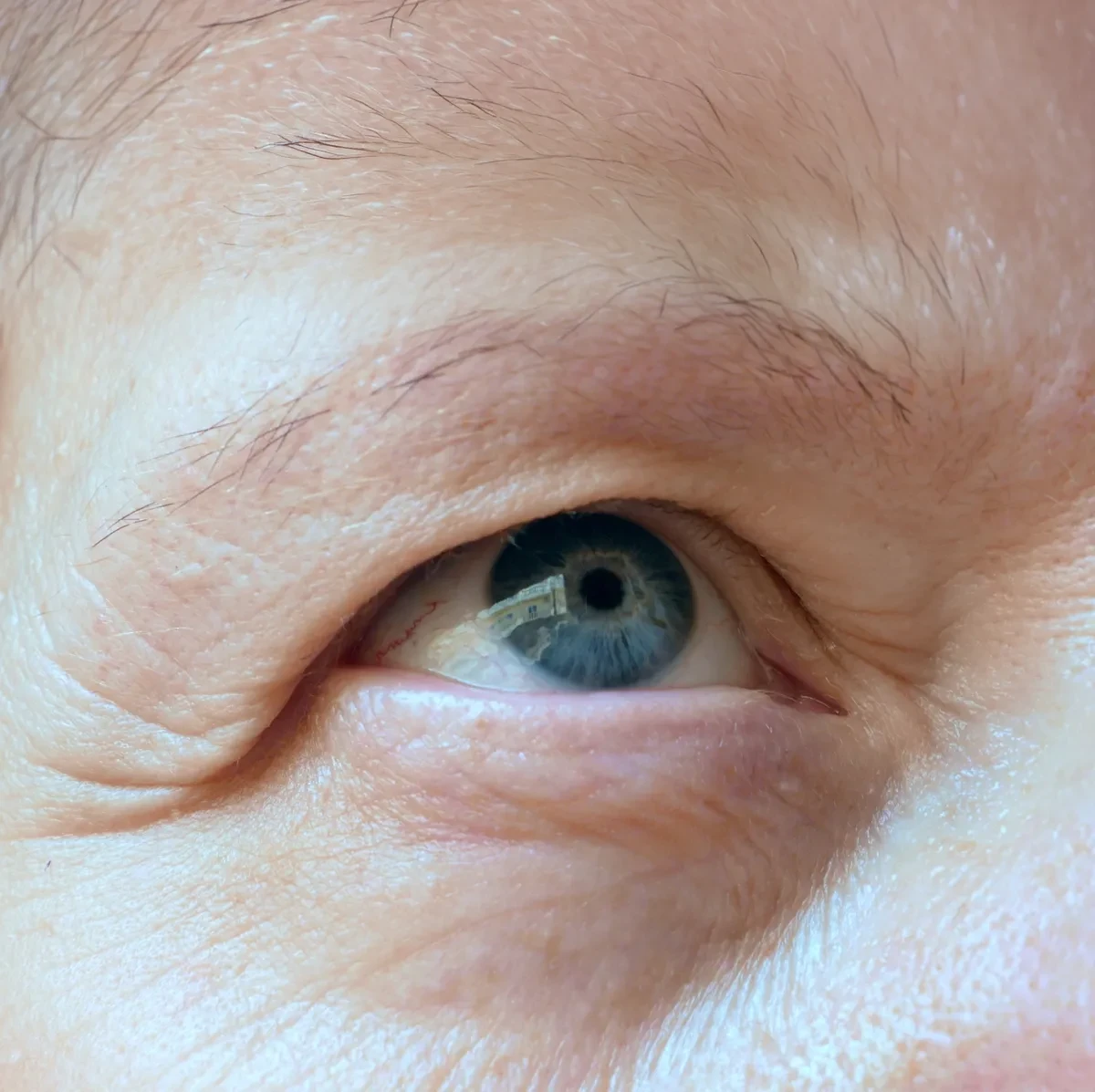

What Is Upneeq and How Does It Work?
Upneeq contains oxymetazoline hydrochloride 0.1%, which stimulates Müller's muscle, one of the muscles involved in lifting the upper eyelid. When this muscle contracts, the eyelid rises slightly, temporarily improving its position. This effect may begin within several minutes to 2 hours, and generally lasts for several hours. As Upneeq does not permanently change the eyelid's structure, the lift gradually wears off and must be reapplied.
Upneeq is administered once daily, with one drop placed in each affected eye using a single-use vial. It was approved by the US Food and Drug Administration (FDA) in 2020 for acquired ptosis in adults.
How Can Upneeq Benefit You?
For suitable adults with acquired ptosis, Upneeq offers an alternative approach to managing droopy upper eyelids without surgery.
Temporary eyelid lift
Upneeq may raise the upper eyelid by approximately 1–2 mm in some individuals, although clinical studies generally report an average improvement closer to 1 mm.
Potential improvement in upper vision
Raising the eyelid may help reduce obstruction of the upper field of vision in selected patients.
No surgery required
The medication is administered as an eyedrop, without incisions, stitches or surgical recovery.
Once-daily application
A single daily application may provide several hours of temporary improvement.
Flexibility in treatment
Upneeq provides a temporary, non-surgical way to manage eyelid drooping without committing to a permanent change.
While these benefits may appeal to patients seeking a non-surgical approach, the degree of improvement depends on the individual's eyelid condition and response to treatment.
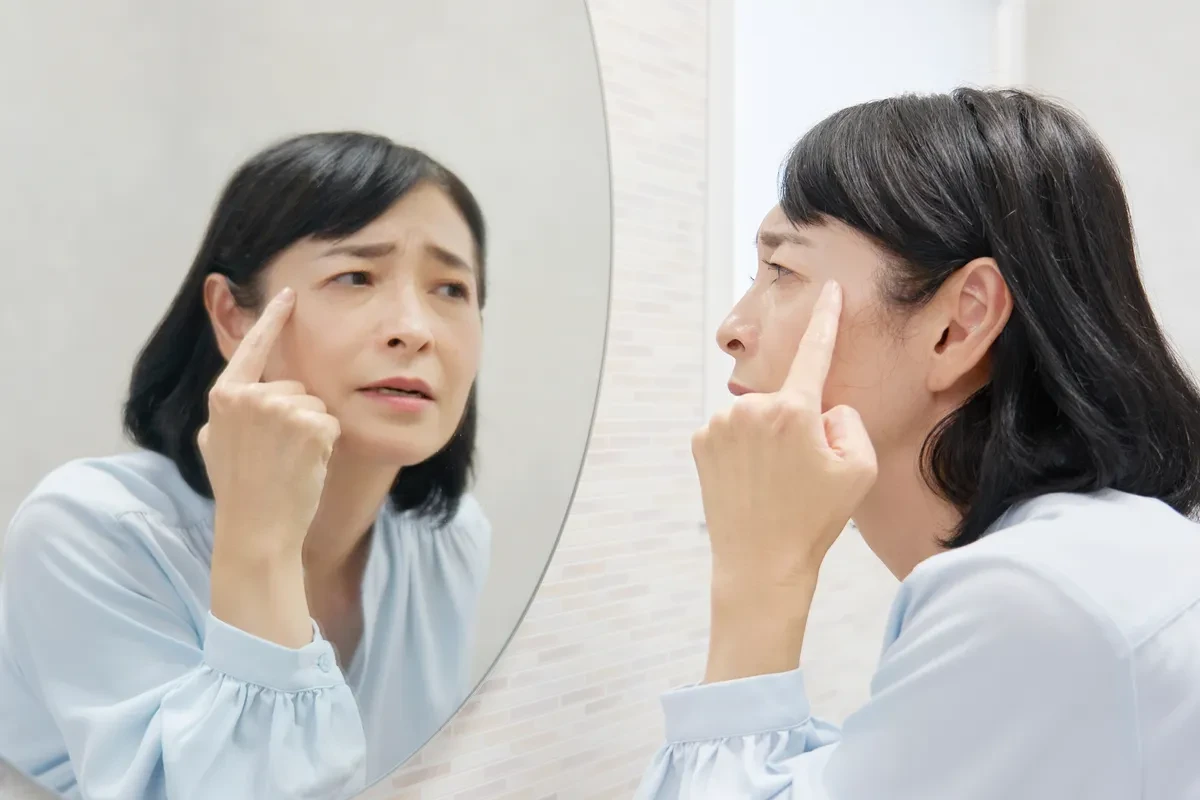
Who May Be Suitable for Upneeq?
Upneeq may be considered for adults with mild to moderate acquired ptosis who:
- Want to improve the appearance of a droopy eyelid or reduce obstruction of their upper field of vision.
- Prefer to explore a non-surgical option before considering ptosis surgery, or wish to delay surgery.
- Want temporary improvement in eyelid position for specific occasions.
However, not everyone with droopy eyelids will benefit from Upneeq. Suitability depends on the underlying cause and severity of the ptosis, as well as your overall eye health.
Upneeq is not intended for congenital ptosis or use in children. Children with droopy eyelids require a separate paediatric assessment because significant ptosis can affect normal visual development.
What Happens During Your Eyelid Assessment?
Before recommending treatment, Dr Leo will assess your eyelid position, eye health and medical history to understand what is causing the drooping.
Eyelid examination
Dr Leo measures your eyelid height and evaluates the function of the muscles responsible for lifting the upper eyelid.
Eye health assessment
Your pupils, eye movements, ocular surface and eye pressure are examined. A visual field test may also be performed to assess whether the drooping eyelid obstructs your vision.
Identifying the cause
Dr Leo checks for underlying conditions, including myasthenia gravis, nerve palsies or orbital problems, which may require further investigation.
Treatment discussion
If Upneeq is appropriate, Dr Leo explains how to use the eyedrops, what results to expect and whether follow-up is necessary.
Although droopy eyelids are often associated with age-related changes, they can occasionally indicate an underlying nerve, muscle or orbital condition. This is why identifying the cause is an important part of your assessment.
Seek urgent medical attention if your eyelid suddenly droops, especially if you also experience double vision, unequal pupils, a severe headache or other neurological symptoms. Eyelid drooping that worsens throughout the day should also be medically assessed.
Are There Any Side Effects or Precautions?
Upneeq is generally well tolerated, although some patients may experience side effects. Certain medical conditions and medications also require additional consideration before treatment.
Possible Side Effects
Reported side effects of Upneeq include:
- Eye redness or irritation.
- Dry eyes.
- Blurred vision.
- Discomfort during application.
- Headache.
These effects are generally mild, although individual responses vary. Inform Dr Leo if you experience persistent or worsening symptoms after using Upneeq.
Medical Precautions and Medication Use
Before using Upneeq, inform Dr Leo about any relevant medical conditions you have been diagnosed with or medications you are taking, particularly:
- Heart disease, high or low blood pressure, or dizziness when standing.
- A history of stroke or reduced blood flow to the brain or heart.
- Raynaud's phenomenon, scleroderma or Sjögren's syndrome.
- Narrow drainage angles or a risk of angle-closure glaucoma.
- Use of medicines for blood pressure or heart conditions, or monoamine oxidase inhibitors (MAOIs), a type of antidepressant.
Precautions During Application
If you wear contact lenses, remove them before using Upneeq and wait at least 15 minutes before reinserting them. If you use other eye drops, leave at least 15 minutes between applications.
During your consultation, Dr Leo will review your medical history, assess any relevant precautions and provide instructions on using Upneeq safely if it is suitable for you.
Upneeq Eyedrops vs Ptosis Surgery
While both approaches aim to improve eyelid position, Upneeq and ptosis surgery differ in the degree and duration of correction they can provide.
| Comparison | Upneeq Eyedrops | Ptosis Surgery |
|---|---|---|
| Treatment | Prescription eyedrops | Surgical correction |
| Effect | Temporary eyelid lift | Intended to provide longer-lasting correction |
| Degree of lift | Generally modest | Depends on eyelid anatomy and surgical technique |
| Recovery | No surgical recovery period | Requires postoperative recovery |
| Suitable for | Selected adults with acquired ptosis | Patients requiring more substantial or lasting correction |
Upneeq may be considered when a modest, temporary improvement is appropriate. Surgery, on the other hand, may be recommended when the eyelid significantly obstructs vision or requires more substantial correction.
Both approaches offer different benefits and limitations. Dr Leo will explain what each can realistically achieve and help you determine which treatment may be more appropriate for your condition.
Find Out if Upneeq Is Right for You With Dr Leo Seo Wei
Whether droopy eyelids affect your appearance, vision or both, identifying the underlying cause is important when considering treatment.
With over two decades of clinical experience and fellowship training in the United States, Dr Leo Seo Wei brings extensive ophthalmology experience to her practice. She places particular emphasis on evidence-based treatments and personalised care, ensuring patients understand their options and feel supported throughout their treatment.
At Dr Leo Adult & Paediatric Eye Specialist, you can expect a thorough evaluation, clear explanations of your treatment options and attentive follow-up care. If you are concerned about droopy eyelids, book a consultation to find out whether Upneeq or another treatment approach may be suitable for you.


FAQs About Upneeq Eyedrops
Yes, Upneeq is available in Singapore and can be prescribed by our clinic after an eyelid assessment.
Yes. Upneeq is a prescription-only medication. A doctor must first confirm the cause of your droopy eyelid and assess whether the treatment is appropriate for you.
The effect may begin within minutes to 2 hours and generally lasts several hours. Upneeq is administered once daily, and the eyelid gradually returns towards its original position as the medication's effect wears off.
Upneeq may temporarily raise the upper eyelid by approximately 1–2 mm in some patients, although the average improvement reported in clinical studies is closer to 1 mm. Results vary depending on eyelid anatomy and individual response.
No. Upneeq does not permanently correct ptosis. Its effects wear off after several hours, and continued use is required to maintain the temporary eyelid lift.
Not for everyone. Upneeq may be suitable for selected adults with mild to moderate acquired ptosis. Surgery may be more appropriate when greater or longer-lasting correction is required, particularly if the eyelid significantly obstructs vision.
Yes, subject to your doctor's advice. Remove your contact lenses before administering Upneeq and wait at least 15 minutes before reinserting them.
Upneeq is not approved for children, it has only been approved by the US FDA for adults with acquired ptosis. Paediatric ptosis requires a separate assessment because significant eyelid drooping may affect normal visual development.
Reported side effects include eye redness, dryness, blurred vision, irritation or discomfort during application, and headache. These effects are generally mild, although individual responses vary.
No. Although some over-the-counter redness relief eyedrops contain related ingredients, they should not be used for this purpose without medical approval from your doctor. These eyedrops typically have different formulations and intended uses, and are not approved substitutes for prescription ptosis treatment.