
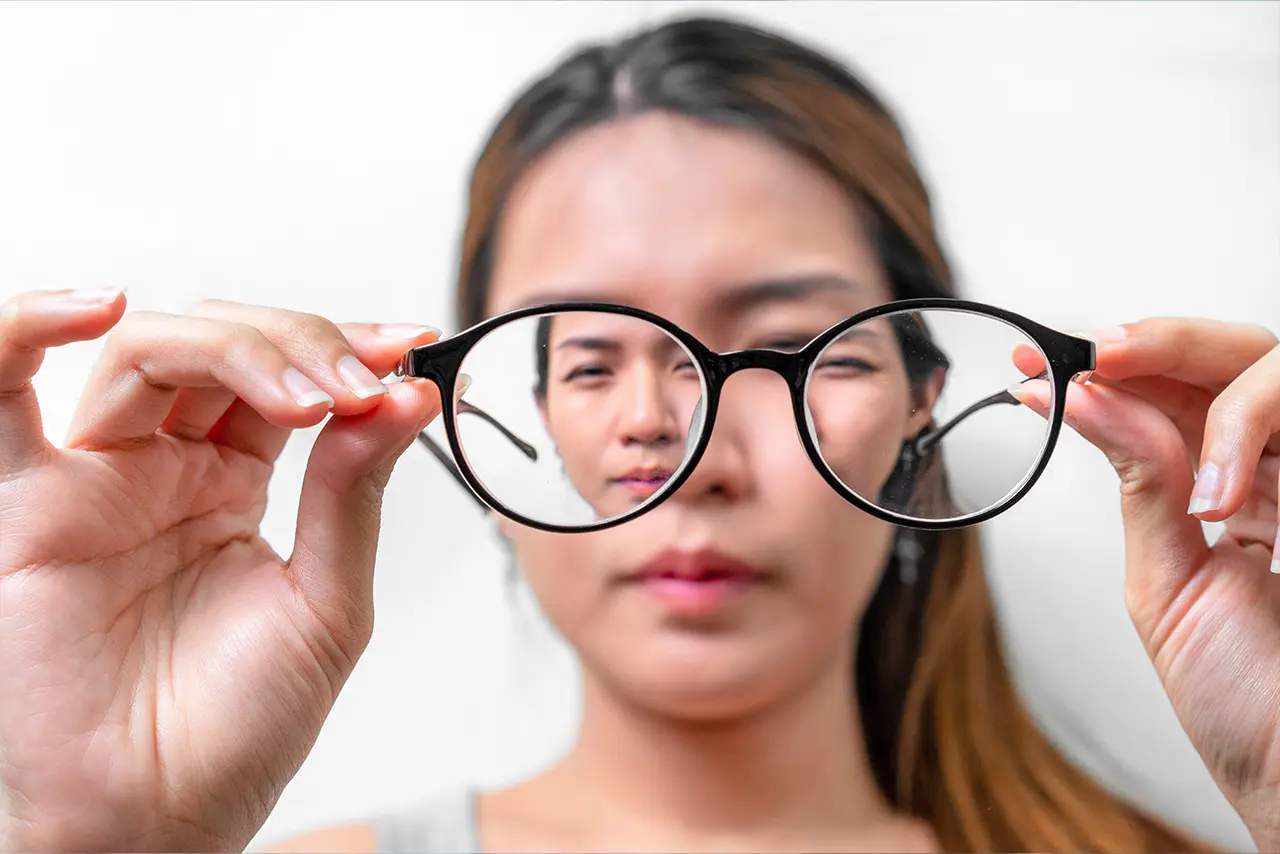

You may first notice it when your child squints at the television, moves closer to their books or needs new spectacles sooner than expected. In Singapore, these moments are increasingly common, with short-sightedness affecting children at ever younger ages. Often referred to as the myopia capital of the world, Singapore’s experience with myopia reflects a complex mix of lifestyle, environment and education. Continue reading as we explore why myopia is so widespread here and what this means for families today.
Myopia in Numbers: How Severe Is the Problem?
Studies show that around 65% of children in Singapore develop myopia by the end of primary school. Among young adults, this figure rises to approximately 80 to 83%. Looking ahead, projections suggest that by 2050, up to 90% of adults may be myopic, with 10 to 15% at risk of high myopia.
High myopia is not just about stronger spectacles. It is associated with a higher risk of eye complications later in life, including retinal issues and glaucoma. While some recent surveys suggest early-onset myopia rates may be stabilising slightly in certain age groups, the overall prevalence remains high. This highlights why ongoing prevention and management efforts are still essential.
Why Is Myopia So Common in Singapore?
While genetics can influence susceptibility to myopia, they don’t fully account for the sharp increase seen in recent decades. Instead, lifestyle and environmental factors associated with modern urban living are widely recognised as key drivers.
Intensive Near Work From a Young Age
In Singapore, children often begin structured learning at a very young age. Daily routines quickly fill with reading, writing and academic tasks, while screen use for both schoolwork and leisure adds hours of near-focused activity. This constant demand on the eyes can increase the likelihood of myopia developing over time.
Limited Outdoor Time
Spending time outdoors is known to help reduce the risk of myopia onset, with natural light thought to support healthy eye growth. Yet, many children spend most of their day indoors, whether due to school schedules, enrichment classes or digital entertainment. Although awareness is growing, outdoor play often struggles to fit into already busy routines.
Urban Living and Built Environments
Singapore’s dense urban landscape means many families live in high-rise apartments and spend significant portions of the day indoors. Limited access to open spaces and green areas during weekdays can make regular outdoor activity harder to maintain. This indoor-focused lifestyle reduces exposure to natural light, particularly during early childhood when eyes are still developing.
Early Onset Leading to Long-Term Progression
Children who develop myopia at a young age are more likely to experience gradual worsening throughout their schooling years. Without proper management, myopia can progress steadily, which helps explain why high myopia is more prevalent in East and Southeast Asian populations, including Singapore.
How Can We Minimise the Prevalence of Myopia?
Recognising the long-term impact of widespread myopia, Singapore has implemented a multi-layered approach combining public health initiatives, education and clinical care.
School Vision Screening and Early Detection
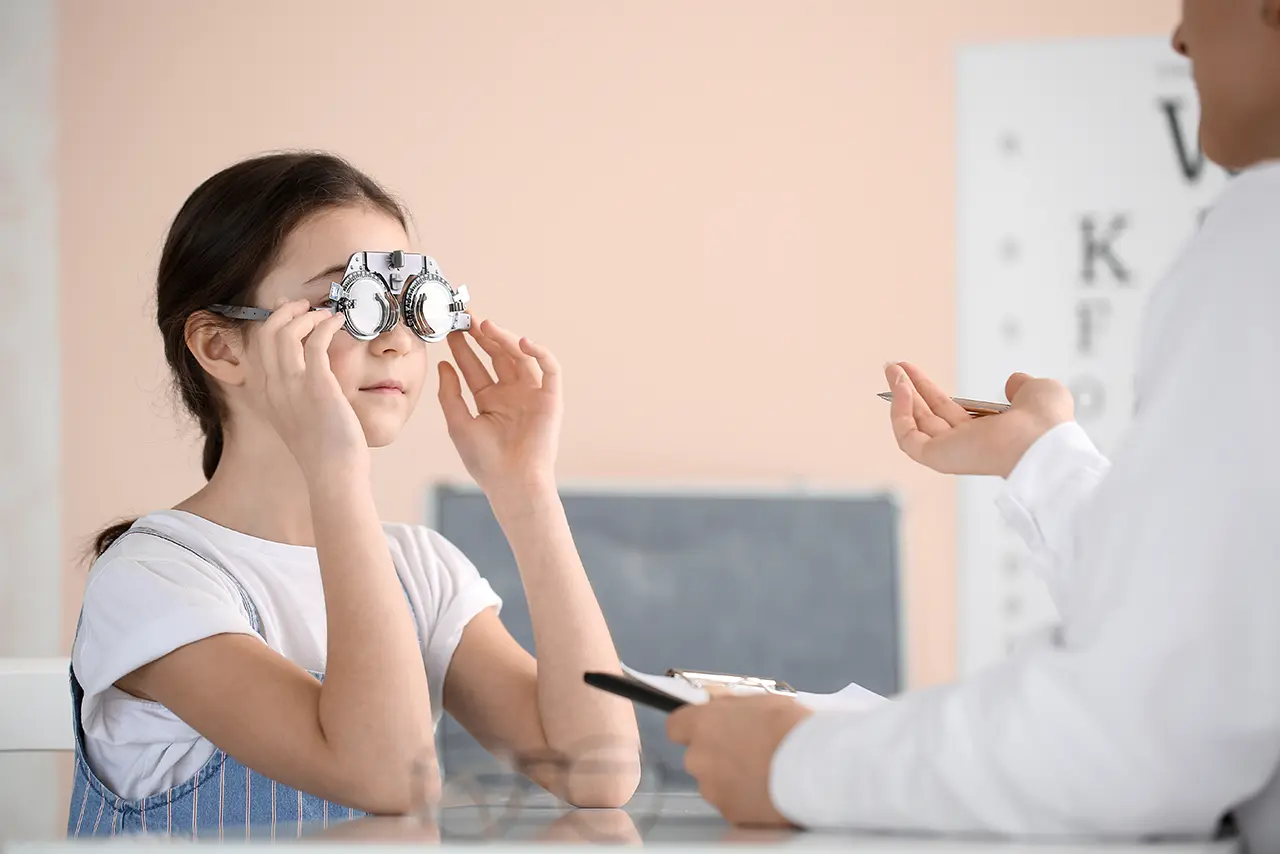
Annual eye screenings by eye specialists in preschools and primary schools allow myopia to be detected early. Timely identification helps slow progression and reduces the risk of severe myopia developing later in life.
Public Health Campaigns Encouraging Outdoor Time
National campaigns encourage children to spend at least two hours outdoors daily. Parents are reminded that outdoor play is not only vital for physical health but also plays a key role in protecting developing vision.
Guidance on Healthy Screen Habits
Educational initiatives emphasise practical habits such as taking frequent breaks, maintaining proper reading distances and limiting continuous screen time. Strategies like the 20-20-20 rule—looking at something 20 feet away for 20 seconds every 20 minutes—are simple yet effective ways to ease eye strain.
Myopia Control Options in Clinical Practice
Ophthalmologists can recommend evidence-based myopia control strategies tailored to each child. Options include specialised contact lenses, spectacle designs and medicated eye drops. These approaches are personalised according to age, eye health and the rate of progression, rather than being applied uniformly.
Research Efforts in Singapore
Singapore continues to lead in myopia research, exploring risk factors, progression trends and intervention effectiveness. Findings from these studies inform public health policies and clinical practices, helping to develop long-term strategies to protect vision across generations.
Myopia Care Led by Dr Leo Seo Wei
Although the prevalence of myopia is high, there are many effective steps that families, schools and eye specialists can take to protect eye health. If you are concerned about your child’s vision or noticing changes in your own eyesight, a professional assessment can offer clarity and reassurance.
Led by Senior Consultant Ophthalmologist Dr Leo Seo Wei, Dr Leo Adult & Paediatric Eye Specialist supports patients with thoughtful care, clear explanations and long-term planning. Arrange a consultation today to take the next step towards protecting your family’s eye health.