
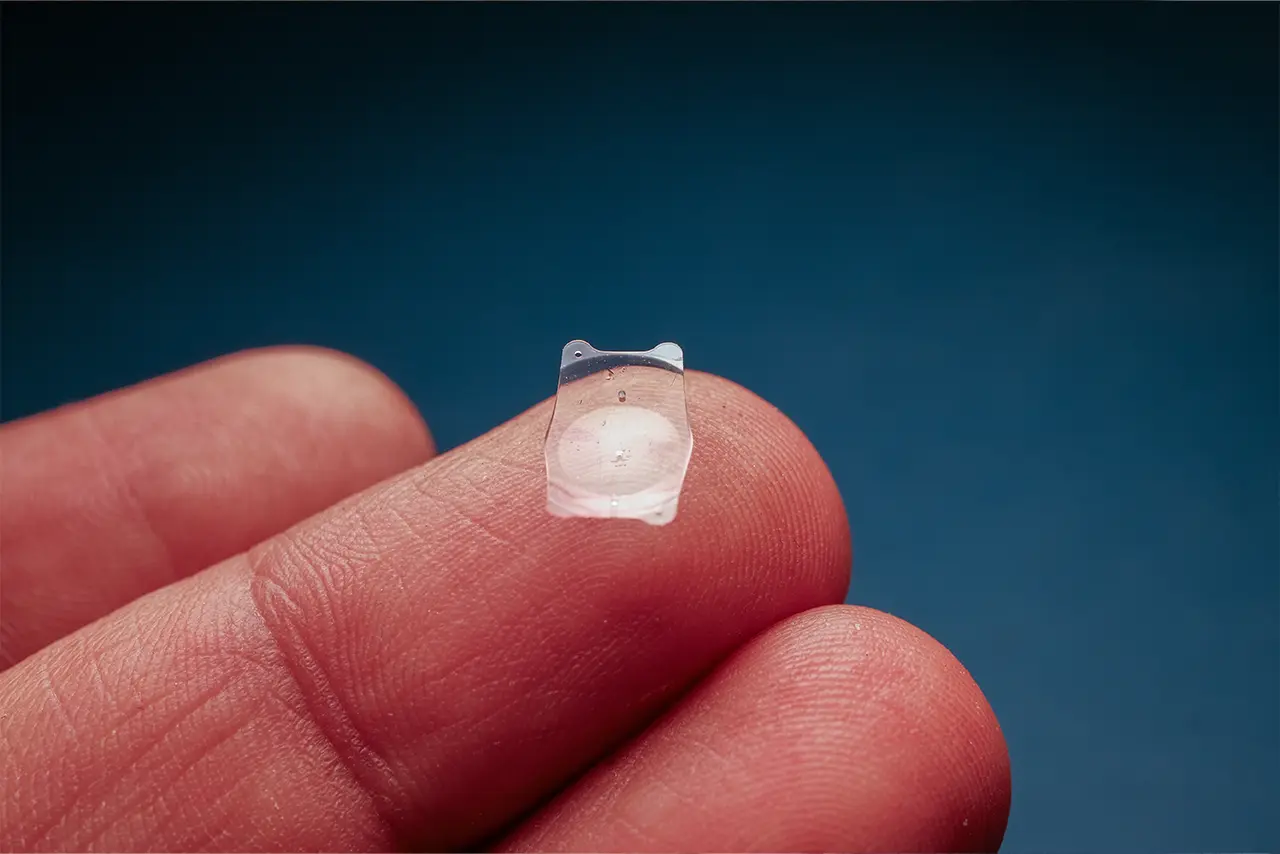

Have you reached the point where glasses feel like a daily inconvenience or contact lenses no longer sit comfortably on your eyes? Perhaps you have explored laser eye surgery, only to be told it may not be the most suitable option for your prescription or eye profile. When vision correction begins to feel limiting rather than liberating, it is natural to start looking for alternatives that offer clarity without compromise. Implantable contact lenses are one such option, offering a different approach to long-term vision correction for selected individuals. Continue reading as we explore how implantable contact lenses work, their benefits, their limitations and whether they may be the right choice for you.
Advantages of Implantable Contact Lens
For some individuals, implantable contact lenses stand out because they address limitations that glasses, traditional contact lenses or laser procedures may not fully resolve. The following advantages highlight why implantable contact lenses may be a suitable option for selected patients seeking long-term visual clarity.
Vision Improvement
Implantable contact lenses are particularly effective for moderate to high refractive errors, including high myopia and astigmatism. Many patients notice a significant improvement in visual clarity soon after the procedure. Because the lens sits inside the eye, vision quality tends to feel natural and stable, without the distortions that can occur with strong spectacle prescriptions.
Minimally Invasive, Comfortable & Quick Recovery
Implantable contact lens surgery is minimally invasive and performed under local anaesthesia. The procedure typically takes less than 30 minutes, and most patients resume normal activities within a few days. As the cornea is not reshaped, post-procedure discomfort is generally mild and recovery tends to be quicker compared to laser eye surgery.
High Success Rates and Immediate Results
Clinical studies and patient outcomes show that implantable contact lenses offer reliable and predictable vision correction. Many individuals notice significant visual improvement shortly after surgery, reducing or eliminating the need for glasses or contact lenses. This consistency makes implantable contact lenses an appealing option for those seeking dependable results.
Lower Risk of Dry Eye
Unlike laser procedures that may disrupt corneal nerves, implantable contact lenses preserve corneal structure. As a result, they are associated with a lower risk of dry eye symptoms. This makes them particularly suitable for patients who already experience dryness or discomfort with conventional contact lenses.
Reversible Treatment Option
One of the key advantages of implantable contact lenses is reversibility. If visual needs change over time or if adjustments are required, the lens can be removed or replaced. This flexibility offers reassurance for patients who prefer a non-permanent alternative to corneal reshaping procedures.
No Daily Maintenance Needed
Implantable contact lenses do not require daily cleaning or handling. This removes the ongoing responsibility of contact lens care, reduces the risk of lens-related infections and suits individuals with busy lifestyles or difficulty maintaining lens hygiene.

Cons of Implantable Contact Lens
While implantable contact lenses offer clear benefits, they may not be suitable for everyone. Understanding the potential drawbacks is essential when weighing your options.
Higher Cost
Implantable contact lens surgery typically involves a higher upfront cost compared to glasses or some laser procedures. Although it may reduce long-term spending on eyewear or contact lenses, the initial investment should be carefully considered.
Not Suitable for All Eye Profiles
Certain eye conditions may make implantable contact lenses unsuitable. These include glaucoma, cataracts or chronic eye inflammation. Anatomical factors within the eye also play a role, which is why comprehensive pre-surgical assessment is essential.
Possibility of Future Adjustments
Although designed for long-term use, implantable contact lenses may require adjustment or replacement in some cases. Changes in prescription or lens positioning can occasionally make additional procedures necessary.
Risk of Raised Eye Pressure
In some individuals, implantable contact lenses may cause an increase in intraocular pressure. Regular monitoring is important, as sustained pressure elevation can increase the risk of optic nerve damage if left untreated.
Glare and Haloes
Some patients report glare or haloes around lights, particularly at night. These visual effects often improve as the eyes adapt, though they may persist in a small number of cases. Discussing visual expectations beforehand helps reduce uncertainty.
Small Risk of Cataract Formation
There is a small risk of cataract development following implantable contact lens surgery, particularly with older lens designs. Advances in newer-generation lenses have significantly reduced this risk, but it remains an important consideration, especially for older patients.
Managing Your Vision with Implantable Contact Lenses
Choosing implantable contact lenses is not just about correcting vision, but about selecting a solution that supports long-term eye health. Careful evaluation ensures that benefits outweigh risks and that expectations are aligned from the outset.
If you are considering implantable contact lenses in Singapore, Dr Leo Adult & Paediatric Eye Specialist is led by senior consultant ophthalmologist, Dr Leo Seo Wei, who offers treatments tailored to your eye anatomy, refractive stability and lifestyle. Arrange a consultation today to determine whether implantable contact lenses are the right choice for achieving clearer, more comfortable vision.