
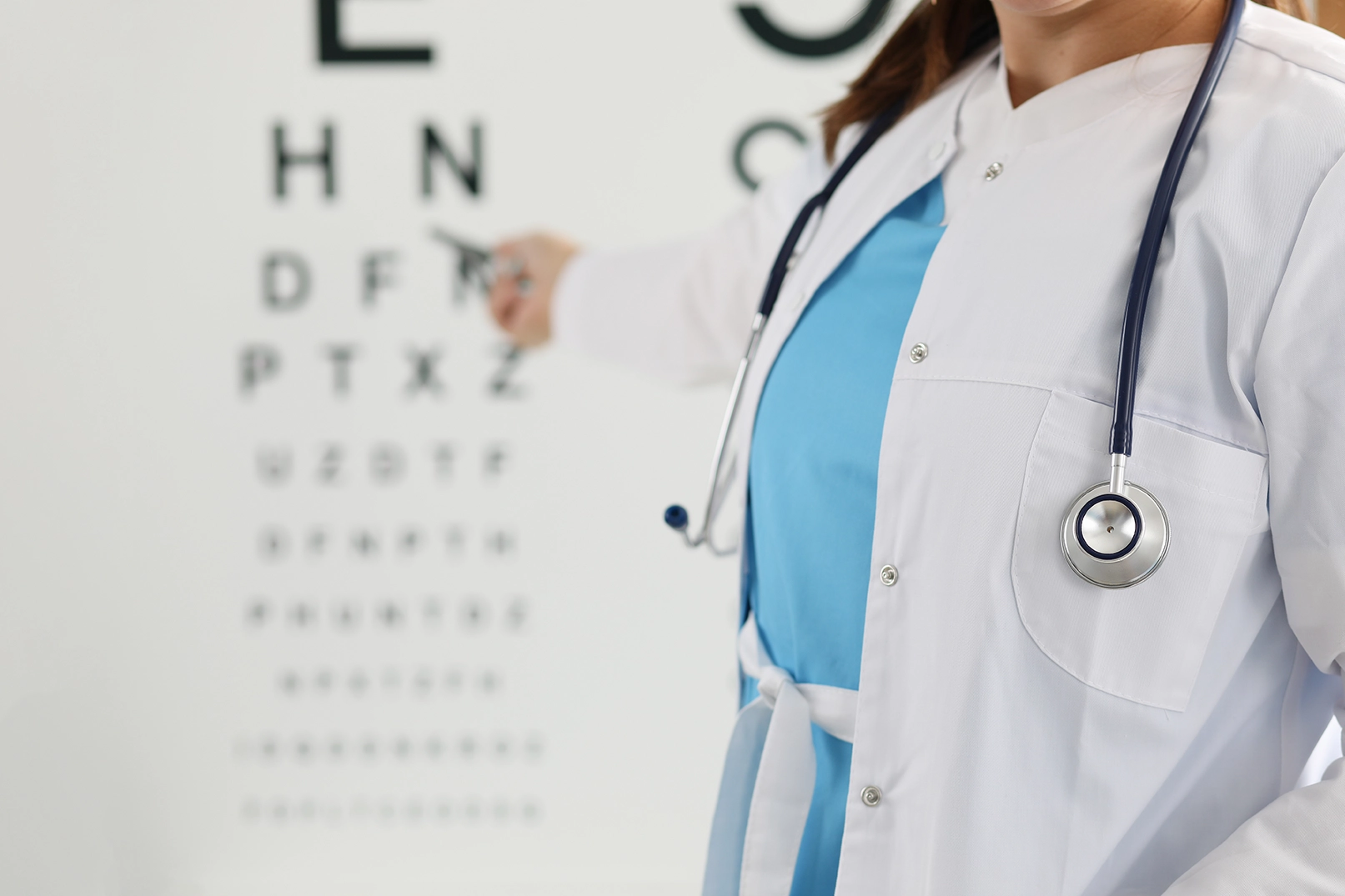

Visiting an eye clinic for the first time can feel daunting, particularly if you are experiencing changes in your vision or ongoing eye discomfort. Many patients may feel unsure about what happens during an ophthalmology consultation or the kinds of tests they will need to undergo.
The good news is that most first visits to an eye clinic are straightforward and non-invasive. These consultations are designed to help your specialist understand your symptoms and assess your eye health through simple checks and discussions, before recommending the next steps for treatment and monitoring. Understanding what goes on during these sessions can help patients proceed with peace of mind.
When Should You Book an Eye Clinic Appointment?
Many people delay visiting an eye clinic because they assume their symptoms are temporary or not serious. However, some eye conditions can worsen gradually without obvious warning signs, making early assessment important for protecting long-term vision and eye health.
You should consider booking an eye clinic appointment if you experience symptoms such as:
- Blurred or fluctuating vision
- Eye discomfort or persistent irritation
- Frequent headaches associated with visual strain
- Dry, itchy or watery eyes
- Floaters or flashes of light
- Difficulty seeing at night
- Sudden changes in vision
- Redness or swelling around the eyes
Routine eye screenings are important even if you are not experiencing noticeable symptoms. In general, adults are encouraged to undergo regular eye examinations from the age of 40 onwards, as this helps detect age-related eye conditions such as cataracts, glaucoma and diabetic eye disease early.
What You Should Take Note of Before Your Appointment
There are several specific steps you can take before your appointment at the eye clinic. Providing this information ahead of time can make your consultation smoother and allow your eye specialist to assess your condition more accurately.
Taking Note of Your Symptoms
Before your visit, it is helpful to gather relevant medical information and take note of any symptoms you have been experiencing. This includes details such as:
- When your symptoms started
- How often they occur
- Whether they are affecting one or both eyes
- If your symptoms worsen during specific activities such as reading, screen use or driving
Informing your eye specialist of these facts can provide additional clues during the assessment.
Bringing Relevant Items
Bringing the necessary documents and items to your appointment can help your eye specialist better understand your eye health history and current condition. You may be advised to bring:
- Existing spectacles or contact lenses
- Current spectacle or contact lens prescriptions
- A list of current medications and supplements
- Previous eye examination records or scans, if available
- Referral letters or medical reports
Patients who wear contact lenses may also be advised to avoid wearing them for several hours or longer before certain eye tests, particularly if corneal measurements or detailed eye surface evaluations are required. This helps ensure more accurate test results.
Questions Your Eye Specialist May Ask You
During your first consultation, your eye specialist will usually ask a series of questions to better understand your symptoms, medical history and overall eye health. Preparing for these questions beforehand can help support a more accurate diagnosis and a personalised care plan.
Your eye specialist will most likely begin by asking you about your symptoms and their impact on your daily life. This is where the information that you noted down before the appointment becomes relevant. Providing clear details about your symptoms can help your eye specialist identify possible causes and determine which eye tests or assessments may be necessary.
Next, your eye specialist may ask whether you have existing health conditions such as diabetes, hypertension or autoimmune diseases, as these can affect eye health over time. Family history is equally important, especially if close relatives have glaucoma, retinal disorders or severe myopia. Lifestyle factors such as prolonged screen use, smoking habits, contact lens use and strenuous work environments may also be discussed to give your eye specialist a clearer understanding of your overall eye health and risk factors.
Common Eye Tests You May Undergo During Your Visit
Based on your symptoms and medical history, your eye specialist may recommend carrying out an eye screening. Several eye tests can be used during the consultation to evaluate your vision and eye health more thoroughly. Most of these tests are quick, non-invasive and routinely performed during a first visit to help identify possible eye conditions and determine the most appropriate next steps for treatment or monitoring.
Some examples of tests are:
Visual Acuity Test
A visual acuity test is commonly performed to assess how clearly you can see objects at different distances. During the test, you may be asked to read letters or symbols from an eye chart while covering one eye at a time. This helps identify vision problems such as short-sightedness, long-sightedness or astigmatism and determines whether corrective lenses may be required.
Eye Pressure Test
An eye pressure test, also known as tonometry, measures the pressure inside the eye. Elevated eye pressure can sometimes be associated with glaucoma, a condition that may damage the optic nerve over time if left untreated. The test is usually quick and may involve a gentle puff of air or a specialised instrument placed near the eye after numbing drops are applied.
Retinal Examination
A retinal examination allows your eye specialist to assess the back of the eye, including the retina and optic nerve. This may involve the use of dilating eye drops to enlarge the pupils for a clearer view of the internal eye structures. Retinal examinations can help detect conditions such as diabetic eye disease, retinal tears, macular degeneration and glaucoma.
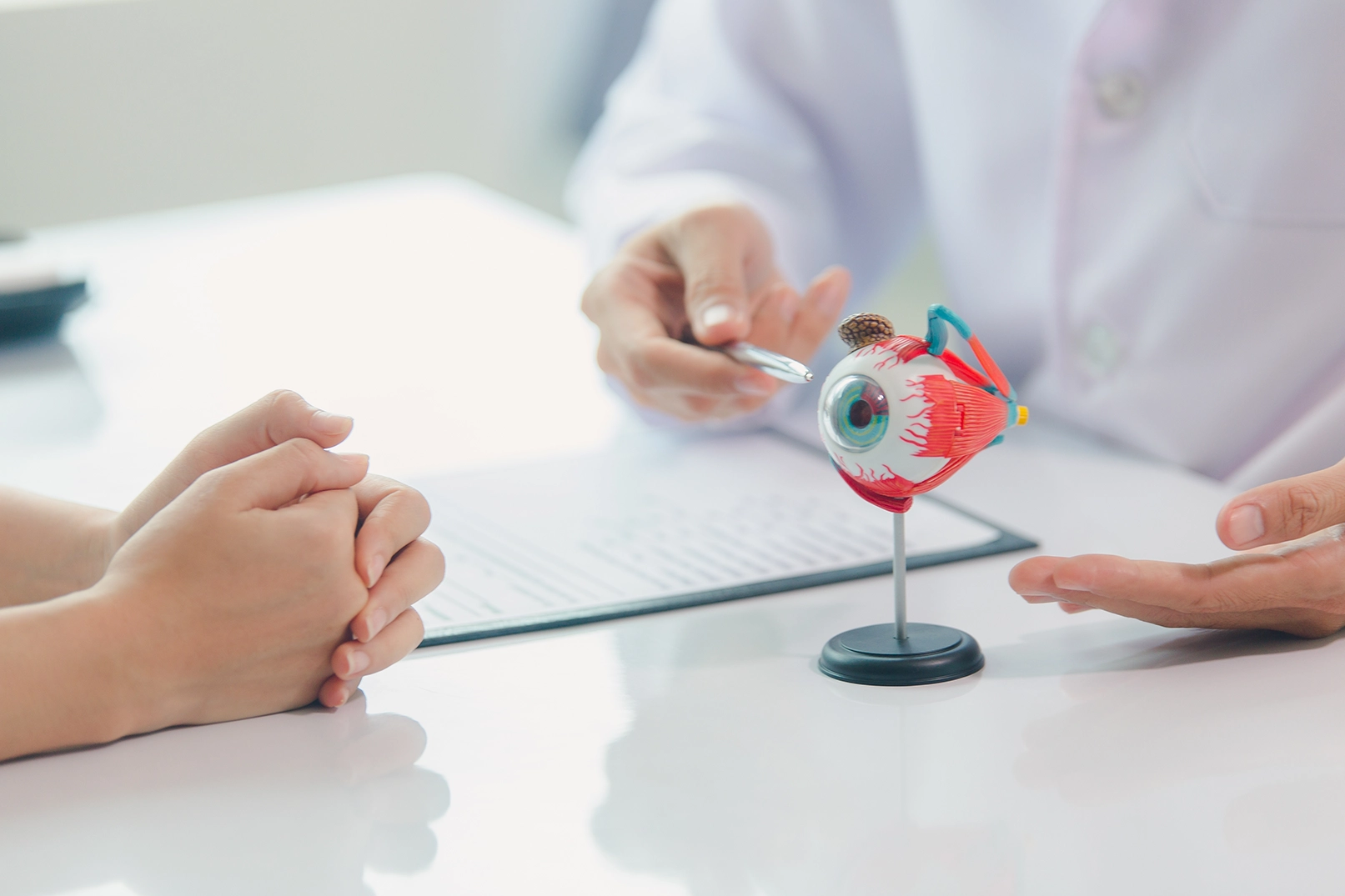
Early Assessment at an Eye Specialist Clinic in Singapore
Some eye conditions can develop gradually without causing obvious symptoms in the early stages. As a result, many patients may not realise that their vision or eye health is being affected until the condition has progressed further. Seeking out an early assessment can often make a difference in receiving treatment.
Having a clear understanding of your symptoms and being prepared to answer questions can help your eye specialist assess your condition more accurately and recommend appropriate next steps for your care. This could make your first visit to an eye clinic smoother and more reassuring, helping you feel like you have greater control over your health.
Dr Leo Adult & Paediatric Eye Specialist is an eye clinic in Singapore that provides assessment and management for a wide range of eye conditions. Led by Senior Consultant Ophthalmologist Dr Leo Seo Wei, we focus on personalised eye care supported by detailed clinical evaluation and diagnostic assessments tailored to each patient’s needs.
If you are experiencing changes in your vision and would like to visit an eye doctor for the first time, contact us today for a professional and compassionate eye screening.