


Cataracts are very common in Singapore, particularly among older adults. Although blurry or cloudy vision is one of the most recognisable symptoms, cataract surgeons look beyond visual clarity alone when deciding whether treatment is appropriate. They also consider how your symptoms affect daily activities, your overall eye health and whether other eye conditions may influence treatment planning.
Before recommending cataract surgery, an ophthalmologist performs a comprehensive eye assessment to understand how cataracts are affecting your vision and whether surgery is likely to provide meaningful improvement.
What Are Cataracts?
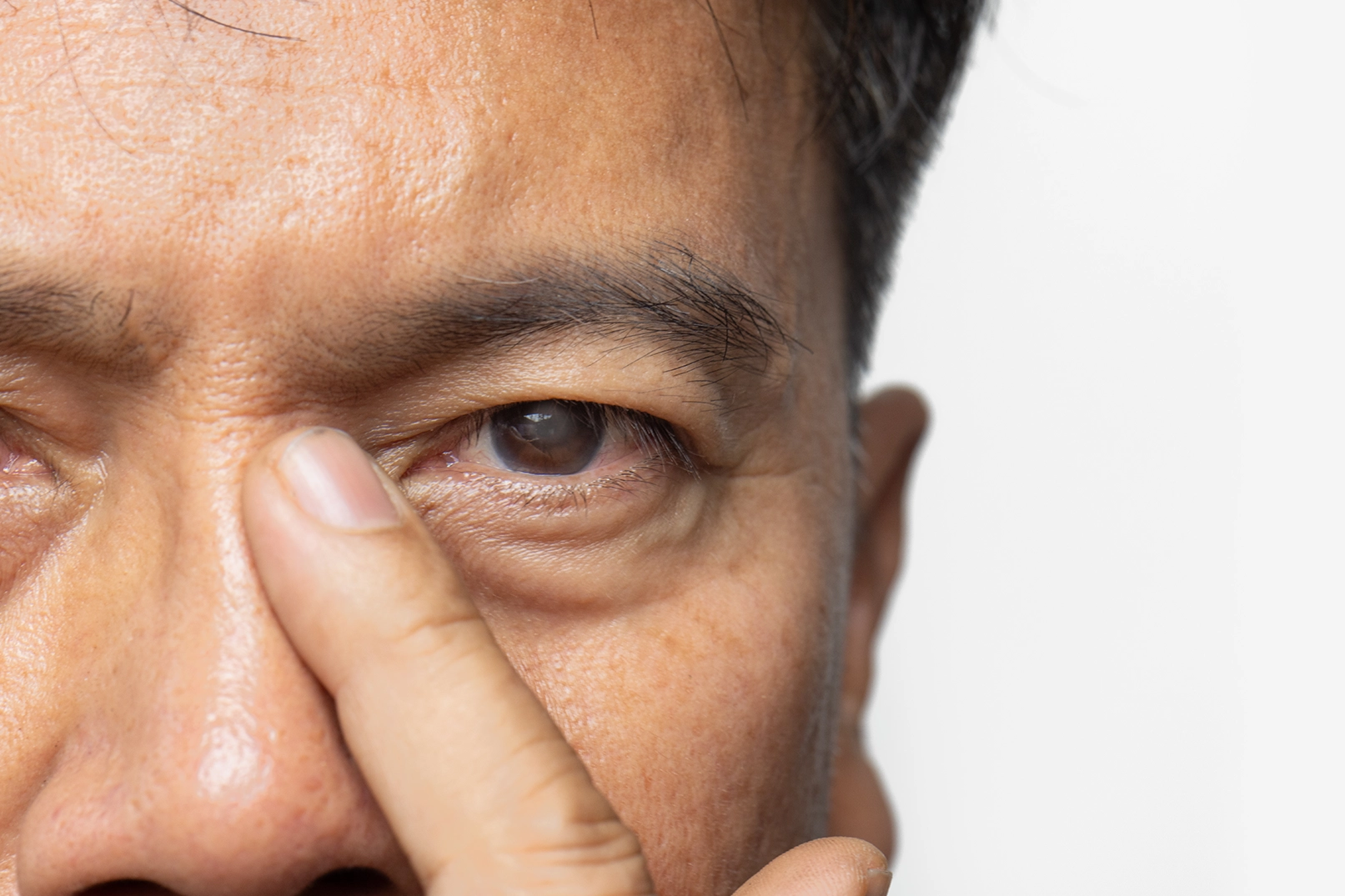
Cataracts occur when proteins in the natural lens degrade and clump together, making the lens cloudy, affecting how light passes through to the retina. This clouding is usually related to ageing, but it can also develop due to other risk factors such as diabetes, poor nutrition, smoking, prolonged exposure to ultraviolet light, certain medications or previous eye injuries. Common symptoms include blurred or hazy vision, increased sensitivity to light, difficulty seeing at night, faded colours and the appearance of halos around lights. These changes often develop gradually and may begin to interfere with everyday activities over time.
What Warning Signs Suggest Cataracts Are Affecting Your Vision?
Cataracts often develop gradually, so many people adapt to subtle changes in their vision without realising how much it has deteriorated. Although blurry vision is the symptom most people associate with cataracts, several other warning signs may suggest the condition is beginning to affect your daily life.
Blurred or Cloudy Vision
One of the most common early signs of cataracts is vision that appears blurry, hazy or as though you are looking through a fogged-up window. These changes often cannot be fully corrected with a new glasses prescription and may gradually affect reading, watching television or recognising faces.
Glare and Light Sensitivity
Many people with cataracts notice increased discomfort from sunlight, headlights or bright indoor lighting. Glare may make driving at night more challenging and can reduce visual comfort even during the day.
Contrast Sensitivity
Cataracts can reduce contrast sensitivity, making it more difficult to distinguish between objects and their background, particularly in dim lighting or poor weather. Everyday tasks such as walking down stairs, driving after sunset or recognising faces in low light may become more challenging even if your visual acuity appears relatively good.
Vision Changes That Affect Daily Activities
When vision changes begin to interfere with everyday life, it is worth arranging an assessment with an ophthalmologist. These changes may include:
- Difficulty reading small print
- Trouble recognising faces
- Problems working on a computer
- Frequent changes in glasses prescription
- Feeling unsafe when driving
- Reduced confidence with hobbies or daily tasks
What Do Cataract Surgeons Evaluate Besides Cloudy Vision?
Warning signs help determine when you should seek assessment, but cataract surgeons evaluate more than symptoms alone before recommending treatment. During a comprehensive eye examination, they assess other factors that may influence the timing of surgery and the expected visual outcome.
Retinal Health
Not all vision loss is caused by cataracts alone. Conditions affecting the retina, such as age-related macular degeneration or diabetic eye disease, can also reduce vision and may influence the expected benefits of cataract surgery. In some cases, optical coherence tomography (OCT) imaging may be recommended to produce detailed cross-sectional images of the retina.
Corneal Health
The cornea is evaluated because its shape and condition influence vision and the selection of intraocular lenses (IOL) used during surgery. Ophthalmologists will examine the cornea using a slit-lamp microscope and may perform measurements such as corneal topography or keratometry to evaluate its shape and curvature.
Eye Pressure and Glaucoma
Eye pressure and glaucoma are assessed because they can independently affect vision and influence cataract treatment planning. If glaucoma is suspected or already present, additional investigations or modifications to the treatment plan may be recommended.
When is Surgery Recommended?
Surgery is generally recommended when cataracts begin to interfere with everyday tasks such as reading, driving or recognising faces, or when vision changes affect safety and quality of life. For patients with other eye conditions, a thorough assessment also helps set realistic expectations, as cataract surgery may not fully correct vision loss caused by unrelated issues.
A comprehensive evaluation helps determine whether surgery is likely to provide meaningful visual improvement and what results you can reasonably expect after treatment.
Restore Clearer Vision with Dr Leo Seo Wei
If cloudy vision, glare or other changes are affecting your daily activities, a comprehensive assessment can help determine whether cataract surgery is appropriate for you. A cataract surgeon will evaluate not only the cataract itself but also your overall eye health, visual needs and any underlying eye conditions before recommending treatment.
At Dr Leo Adult & Paediatric Eye Specialist, we specialise in bladeless cataract surgery and Trifocal implant lenses for cataracts. We provide comprehensive cataract assessments and personalised treatment in Singapore.
Dr Leo Seo Wei provides comprehensive cataract assessment and personalised treatment planning, helping patients understand their options and make informed decisions about cataract surgery based on their visual needs and overall eye health.
If you are experiencing symptoms of cataracts or would like to understand your treatment options, book a consultation with our team to receive an individualised evaluation.