
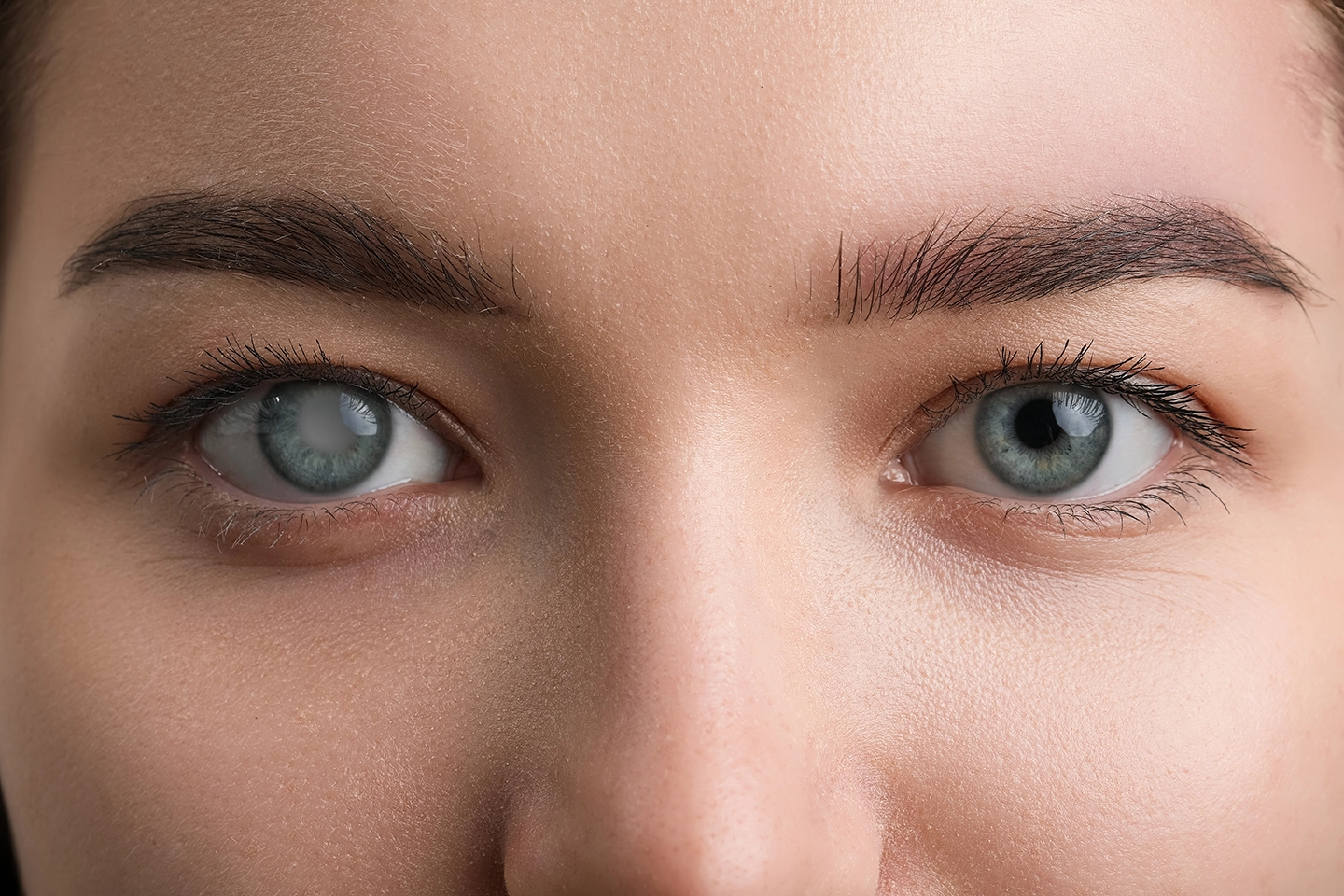

Glaucoma is often called the “silent thief of sight” because it can damage your vision without any obvious warning signs. By the time symptoms appear, the loss may already be permanent. This raises an important question: Can glaucoma actually be prevented, or is it simply something you need to monitor? While it may not always be avoidable, there are steps you can take to reduce your risk and protect your vision over time.
What Is Glaucoma and Why Is It a Concern?
Glaucoma is a group of eye conditions that damage the optic nerve, which is essential for transmitting visual information from the eye to the brain. This damage is often associated with increased pressure inside the eye (intraocular pressure), although it can also occur even when eye pressure is within the normal range.
One of the main concerns with glaucoma is that it typically develops gradually and without noticeable symptoms in its early stages. As a result, many people may not realise they have the condition until significant vision loss has already occurred. This vision loss usually begins with peripheral (side) vision and can progress over time if left untreated.
Because the damage caused by glaucoma is irreversible, early detection and ongoing management are crucial. With timely diagnosis and appropriate treatment, it is often possible to slow or prevent further vision loss and preserve long-term eye health.
Can Glaucoma Be Prevented?
Glaucoma cannot always be prevented, especially in cases where it develops due to age, genetics or other underlying factors. Primary forms of glaucoma, such as open-angle glaucoma, often occur gradually and without a clear cause, making complete prevention difficult.
However, not all cases are the same. Certain types of glaucoma, known as secondary glaucoma, may be linked to specific factors such as eye injuries, prolonged use of steroid medications, or other medical conditions. In these situations, managing the underlying cause may help reduce the risk of developing glaucoma.
What Glaucoma Risk Factors Can You Control?
While some risk factors for glaucoma, such as age and family history, cannot be changed, there are several important factors you can manage to help reduce your risk or support early detection.
Regular eye examinations
Routine eye check-ups are the most effective way to detect glaucoma early, even before symptoms appear. A comprehensive eye screening allows your eye doctor to monitor intraocular pressure and assess the health of your optic nerve over time.
Managing underlying health conditions
Conditions such as diabetes and high blood pressure can affect eye health. Keeping these conditions well-controlled may help reduce your overall risk of developing eye complications, including diabetic eye disease and glaucoma.
Awareness of medication use
Long-term use of certain medications, particularly steroid-based treatments, may increase eye pressure in some individuals. It is important to use these medications under medical supervision and attend regular eye monitoring if needed.
Protecting your eyes from injury
Eye injuries can increase the risk of secondary glaucoma. Wearing protective eyewear during sports or high-risk activities can help prevent trauma to the eyes.
Maintaining a healthy lifestyle
Regular exercise, a balanced diet and avoiding smoking can contribute to overall eye health. These habits may also help to support eye conditions such as myopia and age-related macular degeneration, which can affect long-term vision.
Who Should Be More Proactive About Glaucoma Screening?
While regular eye examinations are important for everyone, certain individuals may have a higher risk of developing glaucoma and should be more proactive about screening.
You may benefit from more regular eye checks if you:
- Are over the age of 40, as risk increases with age
- Have a family history of glaucoma, especially in close relatives
- Have underlying health conditions such as diabetes or high blood pressure
- Are highly myopic (short-sighted)
- Have a history of eye injury or prolonged steroid use
Because glaucoma often develops without noticeable symptoms in its early stages, those in higher-risk groups should prioritise regular comprehensive eye screening. Early detection allows for timely management, which is key to preserving vision.
Protecting Your Vision Starts with Early Detection
While glaucoma cannot always be prevented, understanding your risk factors and taking proactive steps can make a meaningful difference. Regular eye examinations and early detection remain the most effective ways to protect your vision.
At Dr Leo Adult & Paediatric Eye Specialist Clinic, we focus on early detection and proactive management of glaucoma through personalised care. Under the guidance of Dr Leo Seo Wei, who brings over 20 years of clinical experience and speaks multiple languages, each treatment plan is tailored to your individual needs and supported by a strong emphasis on patient education and follow-up care. Consult our specialist to assess your risk of glaucoma and take proactive steps to preserve your long-term eye health.