


Have you ever found yourself squinting in dim light or noticing shadows creeping at the edge of your vision? These subtle changes could signal glaucoma, a condition that can gradually damage your optic nerve without obvious symptoms. Knowing how it develops and the treatments available can help you take control of your eye health and safeguard your vision. Continue reading as we explore how eye drops, laser therapy and surgery can work to protect your vision and maintain eye health.
What Glaucoma Is and How It Progresses
Glaucoma refers to a group of eye conditions that damage the optic nerve, the vital link that transmits images from the eye to the brain. While elevated intraocular pressure (IOP) is the most common risk factor, glaucoma can also occur with normal eye pressure. Left untreated, it can gradually reduce peripheral vision and, in severe cases, cause blindness.
There are two main types of glaucoma:
1. Open-Angle Glaucoma
This is the most common form and develops slowly, often without obvious symptoms. The drainage angle formed by the cornea and iris remains open, but the trabecular meshwork becomes less effective at draining fluid, causing pressure to build over time.
2. Angle-Closure Glaucoma
Less common but more acute, this occurs when the drainage angle is blocked, causing a sudden rise in eye pressure. Symptoms may include sharp eye pain, nausea and blurred vision, and urgent medical attention is required.
Eye Drops for Early Glaucoma
For many patients, eye drops are the initial treatment for glaucoma. They reduce intraocular pressure either by limiting fluid production in the eye or by enhancing drainage. Consistent use and regular monitoring are essential for these medications to work effectively.
Common classes of glaucoma eye drops include:
Prostaglandin Analogues
These eye drops help increase fluid outflow from the eye and are commonly prescribed as a once-daily treatment. Their effectiveness and convenience make them a frequent starting option for many patients.
Beta Blockers
Beta blockers work by reducing the amount of fluid produced in the eye. They are typically used once or twice daily and may be combined with other medications when additional pressure control is required.
Carbonic Anhydrase Inhibitors
By lowering aqueous humour production, these medications help reduce eye pressure when other drops alone are insufficient. They are available as eye drops or tablets and are often added as part of a broader treatment plan.
Alpha Agonists
These medications offer a dual action by decreasing fluid production while also improving drainage. They may be suitable for patients who need extra pressure reduction or cannot tolerate certain alternatives.
Laser Therapy for Glaucoma
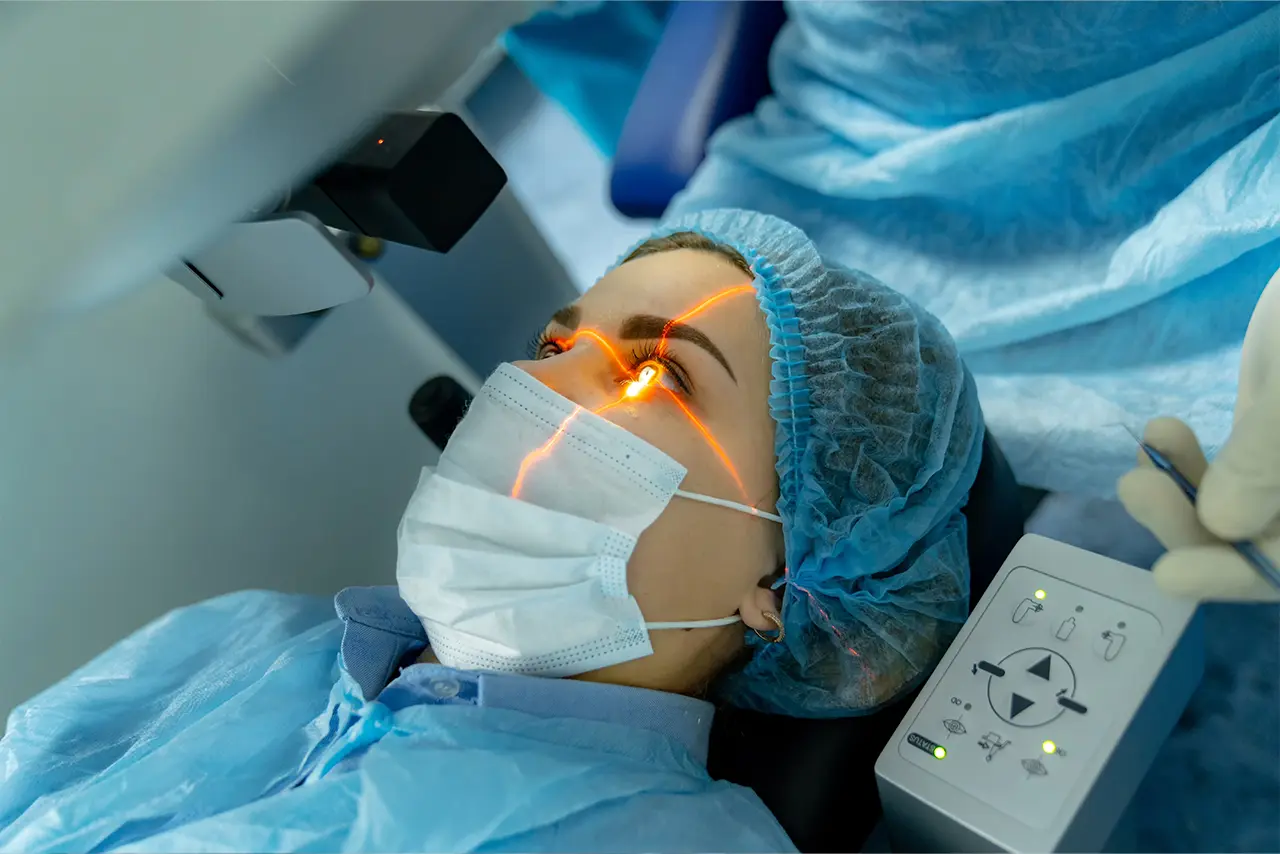
When eye drops alone do not provide adequate control, laser therapy may be considered. These outpatient procedures aim to improve fluid drainage or reduce fluid production, often lowering eye pressure and reducing reliance on multiple medications. Common laser options include:
Laser Trabeculoplasty
Laser trabeculoplasty is commonly used to manage open-angle glaucoma. It works by enhancing fluid drainage through the trabecular meshwork, helping to reduce intraocular pressure over time. Two main types are used:
- Argon laser trabeculoplasty (ALT), which applies laser energy to the drainage tissue to improve fluid outflow.
- Selective laser trabeculoplasty (SLT) uses a more targeted laser technique that causes less tissue disruption and may be repeated if further pressure control is needed.
Laser Iridotomy
Laser iridotomy is primarily performed for angle-closure glaucoma. During the procedure, a small opening is created in the iris to allow fluid to flow more freely within the eye. This helps prevent sudden rises in intraocular pressure and can reduce the risk of acute glaucoma attacks.
Cyclophotocoagulation
This treatment targets the ciliary body to reduce fluid production. It is typically reserved for patients who do not respond adequately to eye drops or other laser treatments and can be performed using different approaches based on clinical needs.
Surgical Options for Advanced Glaucoma
Glaucoma surgery is usually considered only after medications and laser treatments have not provided sufficient pressure control. While surgical procedures carry higher risks than non-invasive options, they can play an important role in preserving vision when long-term intraocular pressure control is needed.
The following surgical options may be recommended when eye drops and laser therapy are no longer effective in managing intraocular pressure:
Trabeculectomy
Often regarded as the standard surgical approach for glaucoma, trabeculectomy creates a new drainage pathway that allows excess fluid to leave the eye gradually. Because the healing response can affect long-term results, careful post-operative monitoring is essential to support recovery and reduce the risk of complications.
Tube Shunt Implants
In situations where glaucoma is more complex, or where previous surgery has led to scarring, tube shunt implants may be recommended. A small tube is placed inside the eye to guide fluid towards a reservoir beneath the conjunctiva, helping to regulate eye pressure more reliably over time.
Minimally Invasive Glaucoma Surgeries (MIGS)
For some patients, a less invasive option may be more appropriate. MIGS procedures use tiny implants or channels to improve fluid outflow, typically through smaller incisions and gentler techniques. With shorter recovery periods and fewer disruptions to daily life, these procedures are often suited to individuals with early to moderate glaucoma who need additional pressure control.
Choosing the Right Treatment for Your Glaucoma
Finding the most appropriate glaucoma treatment starts with an open and detailed discussion with an eye specialist. Each option comes with its own expectations, daily commitments and possible limitations. Taking the time to understand these differences helps you make a decision that fits not just your diagnosis, but your lifestyle as well.
Several key factors are usually considered when shaping a treatment plan:
- Glaucoma Type and Severity: The form of glaucoma you have and how far it has progressed influence how aggressively intraocular pressure needs to be managed and which treatments are most likely to be effective.
- Eye Anatomy: Structural features of your eye can influence how well certain medications, laser procedures or surgeries work and may make some options more suitable than others.
- Response to Previous Treatment: How your eye pressure has responded to earlier treatments, along with any side effects experienced, helps guide whether therapy should be continued, adjusted or changed altogether.
Professional Guidance and Personalised Care Led by Dr Leo Seo Wei
Glaucoma affects everyone differently, which means treatment often needs to be adjusted over time to effectively manage eye pressure and safeguard long-term vision. At Dr Leo Adult & Paediatric Eye Specialist, led by Senior Consultant Ophthalmologist Dr Leo Seo Wei, care is tailored to your unique eye health, lifestyle and visual priorities. Whether you have been recently diagnosed or are exploring further treatment options, a personalised consultation offers clear guidance, reassurance and a thoughtful plan to protect your sight for the years ahead. Schedule a consultation today and take proactive steps in preserving your sight.