
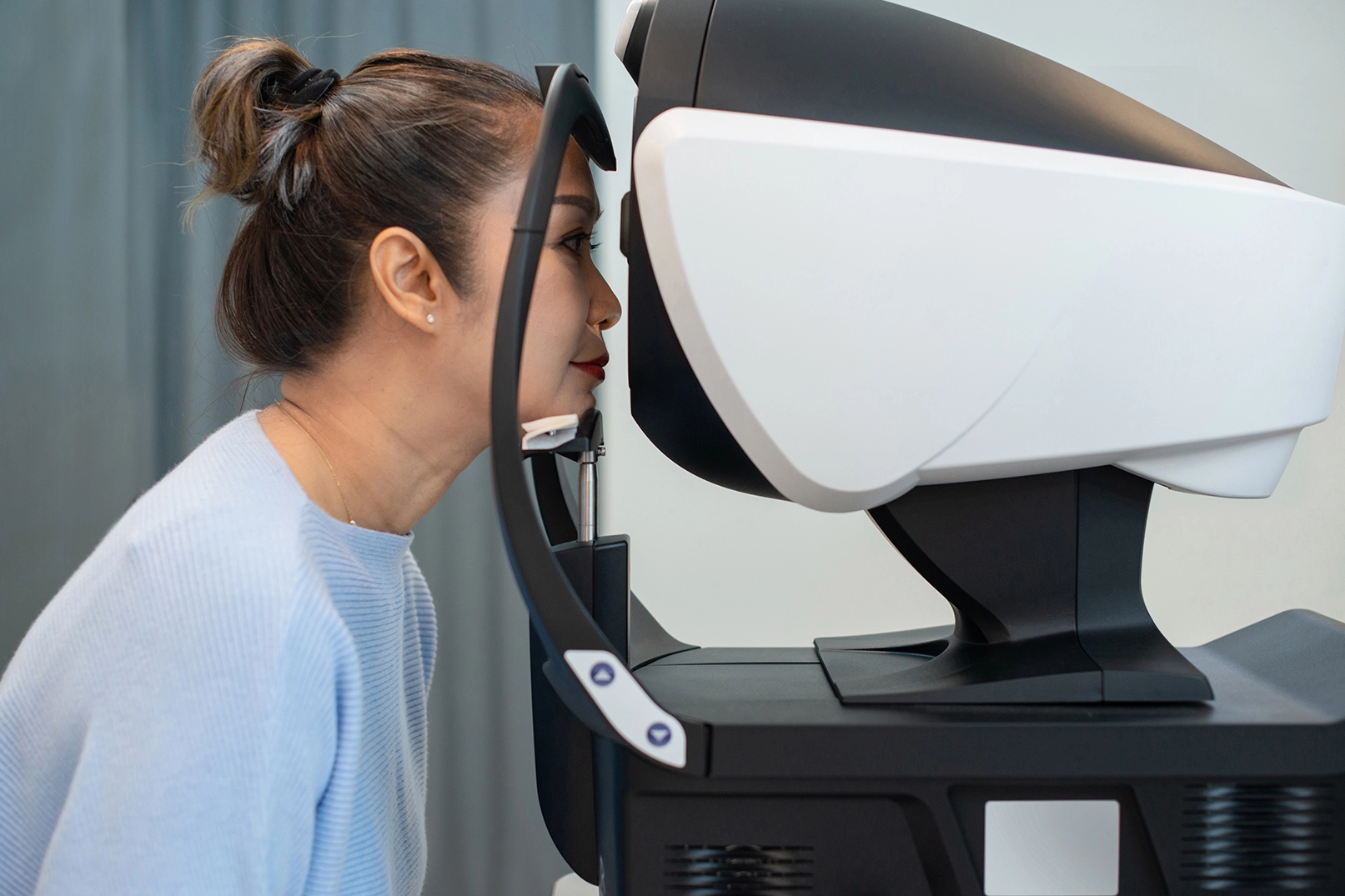

Most people assume that if their vision seems normal and they are not experiencing discomfort, their eyes must be healthy. However, this is not always the case. Several common eye conditions can develop gradually without causing noticeable symptoms until vision has already been affected. By the time changes become obvious, some symptoms like vision loss may be difficult to reverse.
Routine eye examinations are designed to identify these silent conditions before they progress. During a comprehensive assessment, an eye specialist evaluates how well you see and the health of the structures inside your eyes, helping detect disease before noticeable symptoms develop.
Key Takeaways
- Many eye conditions, including glaucoma and diabetic retinopathy, can develop without noticeable symptoms in their early stages.
- Regular eye examinations help an eye specialist detect silent eye diseases before they begin to affect vision.
- The recommended frequency of eye checks depends on your age, overall health and individual risk factors.
- Unlike a standard vision test, comprehensive eye examinations assess eye health, providing a more complete evaluation.
Can Eye Conditions Develop Without Symptoms?
Some eye diseases progress slowly and affect areas of the eye that do not immediately interfere with everyday vision. Because the brain often compensates for gradual changes, people may not realise a problem is developing.
Eye Diseases That May Not Cause Early Symptoms
Glaucoma
Glaucoma often develops painlessly with gradual peripheral vision loss.
Diabetic Retinopathy
Early damage to the retina may occur without any noticeable changes in vision. Regular eye exams are especially important for people living with diabetes.
Hypertensive Retinopathy
High blood pressure can gradually damage the retina without causing noticeable visual symptoms in the early stages.
Age-Related Macular Degeneration
In early stages, there may be no obvious symptoms. As it progresses, age-related macular degeneration mainly affects central vision.
Early Cataracts
Early cataracts may not noticeably affect vision or daily activities.
Why Your Vision Can Compensate for Gradual Changes
The eyes and brain work together to adapt to gradual changes in vision. When vision loss develops slowly in one eye, the brain often starts relying more heavily on the other eye, making changes less noticeable. Peripheral vision loss is also easy to overlook, so symptoms may not become apparent until the disease has progressed.
When Should You Have Your Eyes Checked If You Feel Fine?
The ideal frequency of eye examinations depends on your age, general health and personal risk factors. Even people with excellent vision benefit from periodic assessments to detect silent eye disease.
Recommended Eye Examination Schedule
| Group | Suggested Frequency |
|---|---|
| Children (Under 18) | As recommended during developmental years and before starting school |
| Adults aged 18–39 | Every 2–3 years if low risk |
| Adults aged 40–64 | Every 1–2 years |
| Adults aged 65 or above | Annually or as advised |
| People with diabetes | At least once annually |
| High-risk individuals* | As recommended by an eye specialist |
* People at higher risk include those with diabetes, high blood pressure, high myopia, a family history of glaucoma or other eye diseases, previous eye injury or surgery, long-term steroid use or other medical conditions or autoimmune disease that increase the risk of eye disease.
Are Vision Tests Enough?
Most people are familiar with vision tests, which are primarily used to determine whether glasses or contact lenses are needed. However, these tests do not assess the overall health of your eyes and cannot reliably detect conditions such as glaucoma, diabetic retinopathy or retinal disease.
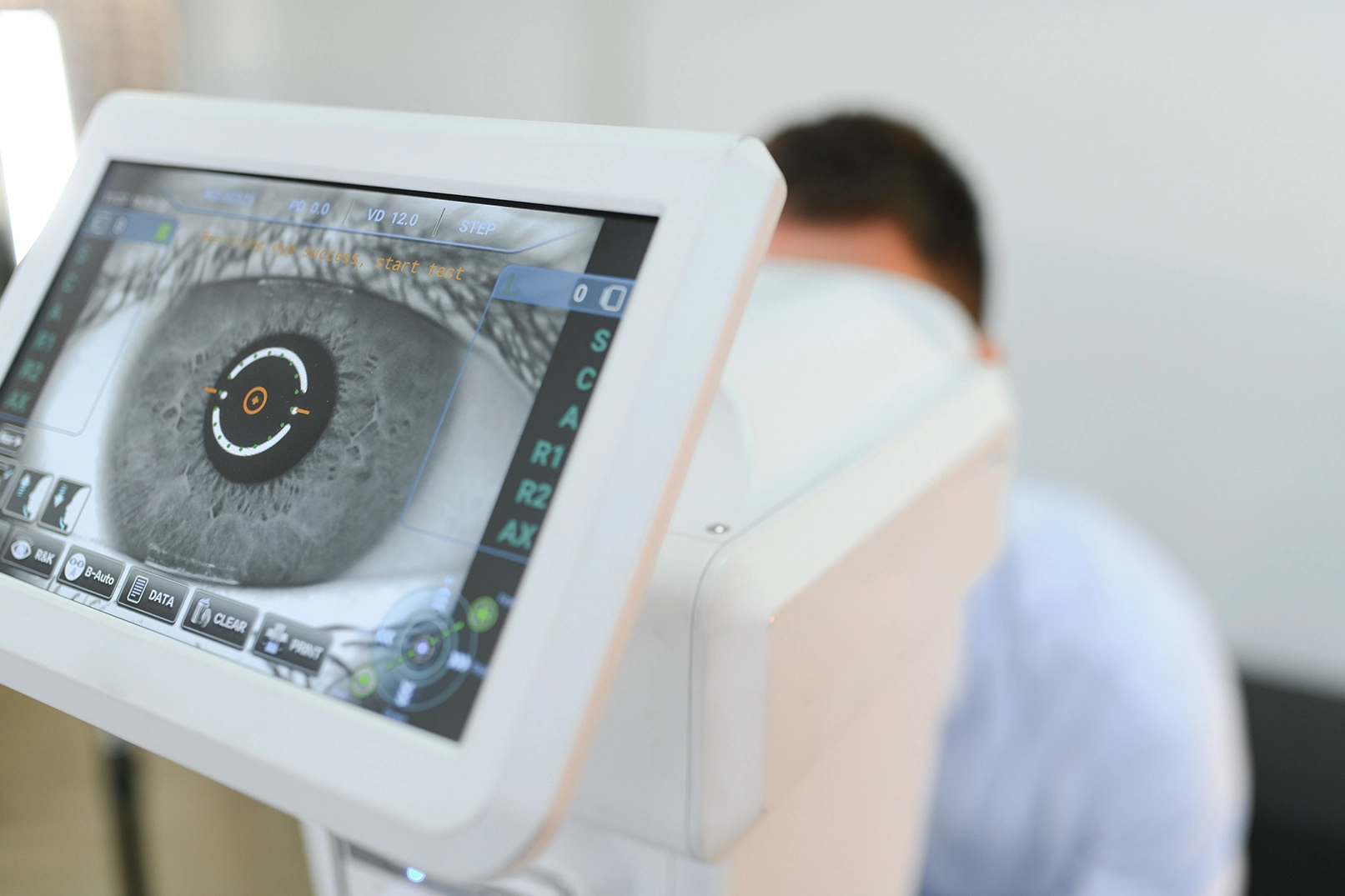
A comprehensive eye examination performed by an ophthalmologist assesses both your vision and the health of your eyes. Depending on your age, symptoms and risk factors, this may include measuring eye pressure, evaluating the optic nerve, examining the retina after pupil dilation and performing imaging tests where clinically indicated. These assessments help detect eye disease before noticeable symptoms develop.
What Are the Benefits Of Regular Eye Examinations?
Although no one solution can completely prevent eye disease, routine examinations allow problems to be detected earlier when treatment may be more effective.
Earlier Diagnosis May Lead to Better Outcomes
Many eye conditions develop gradually, making them easier to manage when detected early. Diseases such as glaucoma, diabetic retinopathy and age-related macular degeneration can often be identified before they cause noticeable vision changes, allowing earlier treatment or closer monitoring to help preserve vision where possible.
Eye Examinations Can Reveal More Than Eye Problems
The eyes can provide valuable clues regarding overall health. During a comprehensive examination, an eye specialist may observe changes in the blood vessels, retina or optic nerve that suggest an underlying medical condition.
For example, retinal changes may suggest diabetes or high blood pressure before these conditions have been diagnosed or optimally controlled. In some cases, findings during an eye examination may also raise suspicion of high cholesterol, certain autoimmune diseases or other systemic conditions. While an eye examination alone does not diagnose these medical conditions, it may prompt further investigations or referral to another healthcare professional for appropriate assessment.
What Happens During an Appointment with an Eye Specialist?
A comprehensive assessment typically begins with a discussion about your medical history, current medications, family history of eye disease and any changes you may have noticed, even if they seem minor.
Your eye specialist will then assess your vision and examine the structures of your eyes using specialised equipment. Depending on your age, symptoms and individual risk factors, additional tests such as measuring eye pressure, retinal imaging, optical coherence tomography (OCT), visual field testing or pupil dilation may be recommended to obtain a more detailed assessment.
After the examination, your eye specialist will explain the findings, discuss whether any treatment or monitoring is required and recommend an appropriate follow-up plan.
Protect Your Vision With Dr Leo Seo Wei
Regular eye examinations are important even if your vision seems normal because many eye conditions develop without causing noticeable symptoms. Detecting these conditions early allows appropriate monitoring or treatment before they have a greater impact on your vision.
At Dr Leo Adult & Paediatric Eye Specialist, we provide comprehensive eye examinations tailored to your age, lifestyle and individual risk factors. Dr Leo Seo Wei carefully assesses each patient's eye health and recommends an appropriate examination schedule based on their medical history, risk profile and visual needs.
If it has been some time since your last eye examination, or you have risk factors for eye disease, arrange an appointment to discuss the most appropriate screening schedule for your long-term eye health.