
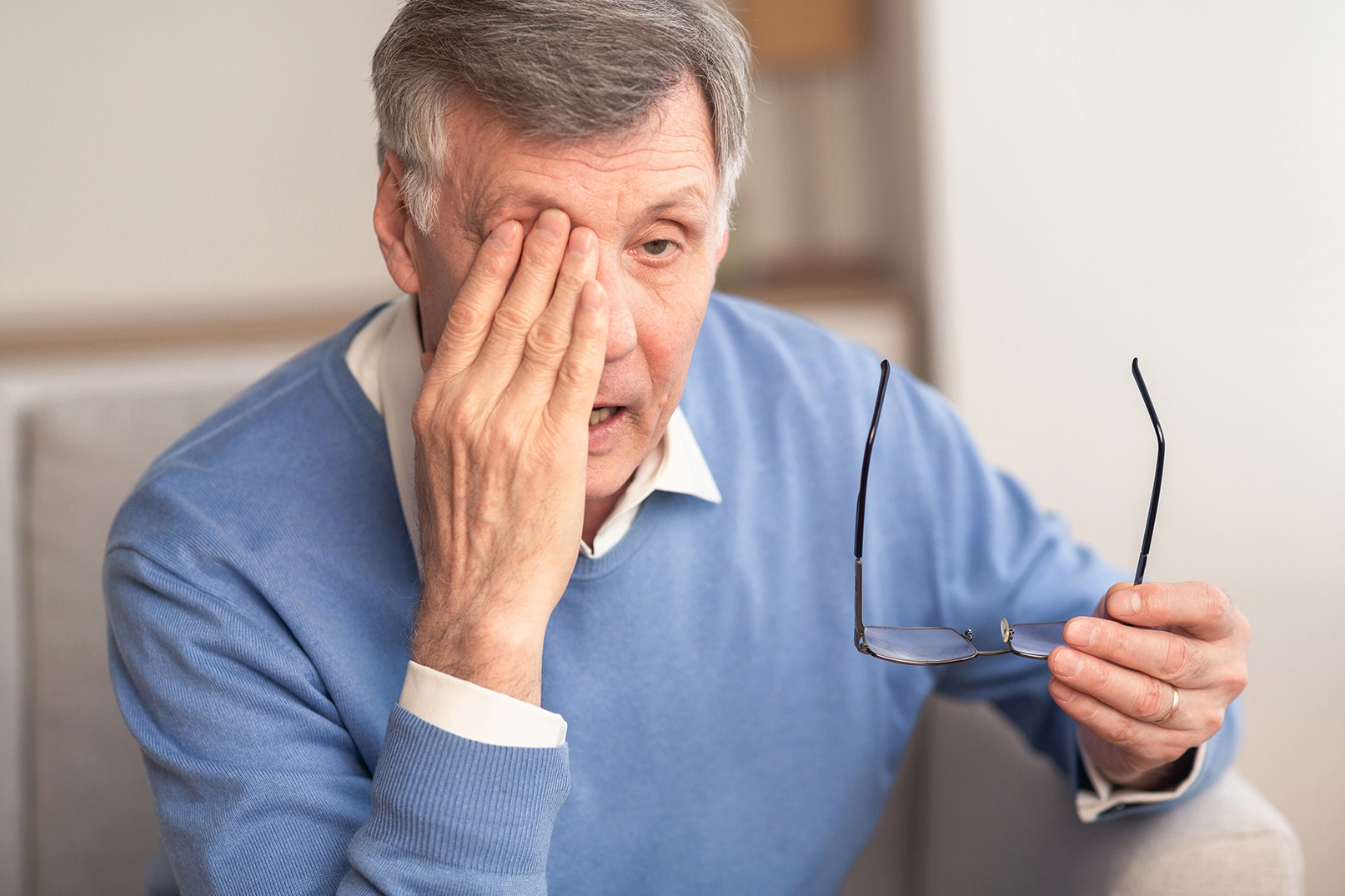

Glaucoma is one of the leading causes of irreversible vision loss worldwide. In its early stages, this condition can often develop gradually without noticeable symptoms, silently affecting the optic nerve and peripheral vision over time. Because vision changes may be subtle or absent altogether, many people may not realise they have glaucoma until permanent vision loss has already occurred.
This makes routine eye examinations particularly important for identifying hidden conditions like glaucoma before it’s too late. Understanding how glaucoma develops, who may be at higher risk and how it can be detected by ophthalmologists early may help preserve long-term vision and reduce the risk of complications.
Key Takeaways
- Glaucoma can develop gradually without noticeable symptoms in its early stages.
- The condition may silently damage the optic nerve and peripheral vision over time.
- Vision loss caused by glaucoma is generally irreversible, making early detection and treatment important.
- Routine eye examinations are important for detecting glaucoma before permanent vision loss occurs.
- Individuals above 40 years old, those with a family history of glaucoma and people with certain medical conditions may have a higher risk of developing glaucoma.
What Is Glaucoma?
Glaucoma is a group of eye conditions that damage the optic nerve, which is responsible for transmitting visual information from the eye to the brain. This damage is often associated with increased pressure inside the eye. Over time, the condition may gradually affect peripheral vision and, if left untreated, can lead to permanent vision loss.
Glaucoma typically develops when the eye’s drainage system does not function properly, leading to a buildup of fluid and pressure that damages the optic nerve fibres. Early diagnosis and ongoing monitoring by an ophthalmologist are important in helping to preserve vision and reduce the risk of advanced glaucoma complications.
Who Is More Likely to Develop Glaucoma Without Knowing It?
While glaucoma can affect anyone, certain risk factors are associated with a higher likelihood of developing optic nerve damage over time:
Older Adults
The risk of glaucoma generally increases as you get older, particularly after the age of 40. Since the condition may progress slowly over many years, older adults may not notice gradual changes in their peripheral vision until the disease becomes more advanced. Regular eye screening becomes increasingly important with age, even in the absence of symptoms.
Individuals With a Family History of Glaucoma
People with a close family member diagnosed with glaucoma may have a higher risk of developing the condition themselves. Genetic factors can influence how the optic nerve responds to eye pressure, increasing susceptibility to optic nerve damage over time. Individuals with a family history of glaucoma are often advised to undergo more regular eye examinations for early detection.
People With Certain Medical Conditions
Certain health conditions may increase the likelihood of developing glaucoma. These include diabetes, high blood pressure and severe short-sightedness. Long-term steroid medication use may also raise eye pressure in some individuals, contributing to glaucoma risk. Because these conditions may affect eye health gradually, routine monitoring by an ophthalmologist may help identify early changes before noticeable vision loss develops.
Individuals With Previous Eye Injuries or Surgeries
A history of eye trauma or previous eye surgery may affect the eye’s drainage system and increase the risk of glaucoma. In some cases, glaucoma may develop months or even years after the initial injury. Individuals with prior eye injuries may require long-term follow-up to monitor eye pressure and optic nerve health.
How Is Glaucoma Detected Before Symptoms Appear?
Because early glaucoma often develops without obvious symptoms, routine eye screening are important for detecting the condition before permanent vision loss occurs. Ophthalmologists may use several tests to assess eye pressure, optic nerve health and peripheral vision changes associated with glaucoma.
These tests may include:
- Eye pressure measurement tests
- Optic nerve examinations
- Visual field testing
- Imaging scans such as optical coherence tomography (OCT)
- Assessments that evaluate the eye’s drainage angle and overall health
This early detection allows treatment to begin before significant optic nerve damage develops.
Can Vision Loss From Glaucoma Be Reversed?
Vision loss caused by glaucoma is generally irreversible. Damage to the optic nerve is considered permanent. As a result, glaucoma treatment is mainly focused on slowing or preventing vision loss rather than recovering lost sight.
Early diagnosis and treatment may help preserve remaining vision and reduce the risk of complications. Depending on the type and severity of glaucoma, treatment may include medicated eye drops, laser procedures or surgery to lower eye pressure and protect the optic nerve from further damage.
How Is Glaucoma Treated?
Glaucoma treatment is focused on lowering eye pressure to reduce further damage to the optic nerve and slow the progression of vision loss. The three most common treatment approaches include eye drops, laser treatment or minimally invasive glaucoma surgery.
Glaucoma Eye Drops
Medicated eye drops are often the first-line treatment for glaucoma. These medications work by either reducing fluid production within the eye or improving fluid drainage to help lower eye pressure. Depending on the individual’s condition, one or more types of eye drops may be prescribed as part of long-term glaucoma management.
Glaucoma Laser Surgery
Laser treatment may be recommended when eye drops alone are insufficient or unsuitable. Different laser procedures may be used to improve fluid drainage or reduce eye pressure, depending on the type of glaucoma present. Laser treatment is generally performed as a minimally invasive outpatient procedure with relatively short recovery times.
Glaucoma Eye Surgery
In more advanced or difficult-to-control cases, glaucoma surgery may be required to create new drainage pathways and lower eye pressure more effectively. Surgical options may include trabeculectomy, glaucoma drainage implants or minimally invasive glaucoma surgery (MIGS). The choice of procedure depends on the severity of glaucoma, the patient’s eye condition and treatment goals.
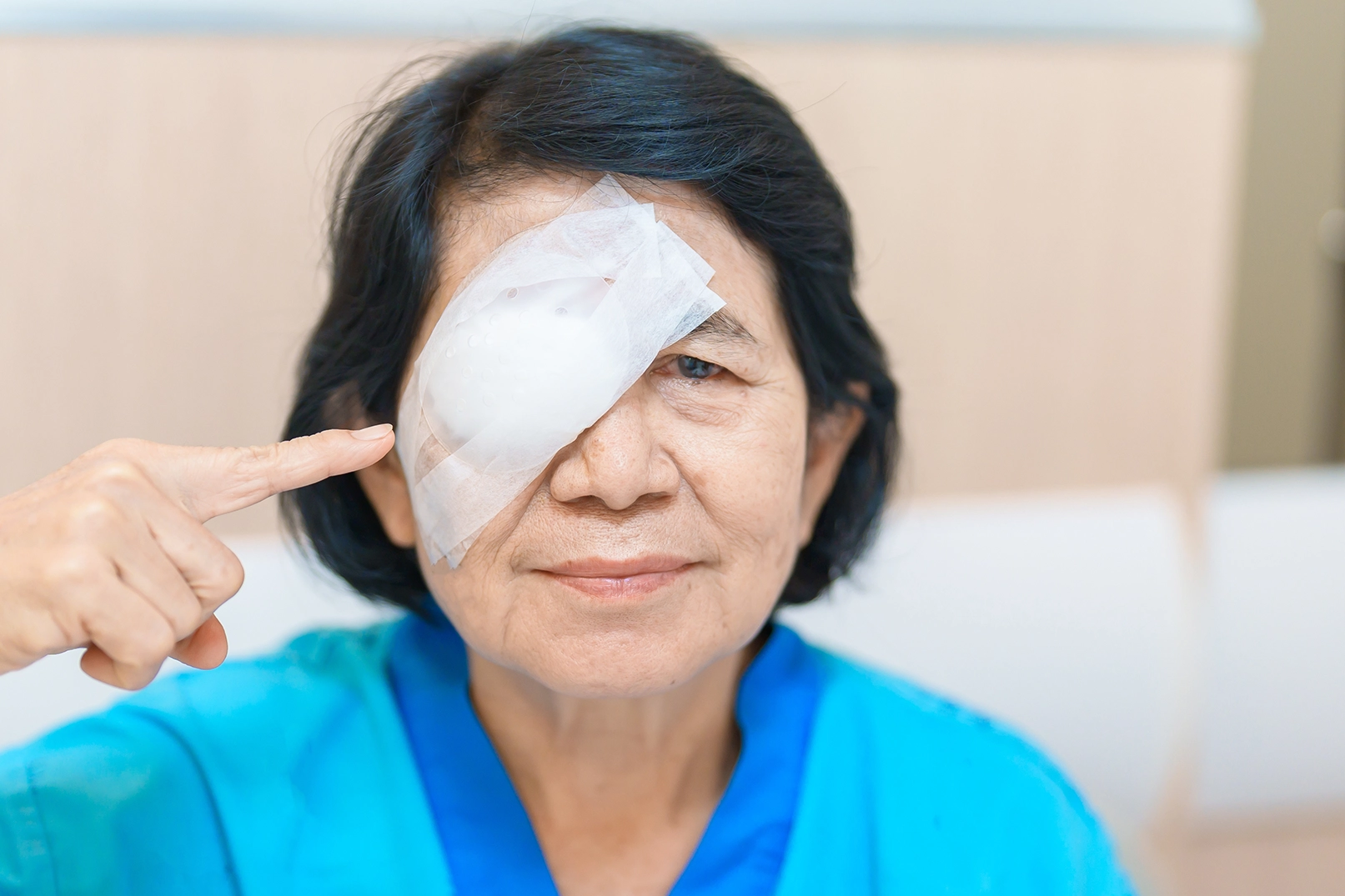
Early Glaucoma Treatment and Detection by an Ophthalmologist
Glaucoma is often a silent condition that may progress without noticeable symptoms until permanent vision loss has already occurred. Because early optic nerve damage may not cause obvious changes in vision, timely eye examinations are important for detecting glaucoma before the condition becomes more advanced.
These regular eye examinations can allow your ophthalmologist to begin treatment before the condition progresses further, helping to preserve your vision.
Dr Leo Adult & Paediatric Eye Specialist is an eye clinic in Singapore that provides assessment and management for a wide range of eye conditions and vision-related concerns. Care is led by Senior Consultant Ophthalmologist Dr Leo Seo Wei, who manages a wide range of eye conditions, including glaucoma and optic nerve disorders. Her clinical practice involves comprehensive assessments and personalised treatment plans tailored to each patient’s condition and visual needs.
If you have concerns about glaucoma symptoms, contact us today to arrange an eye evaluation and discuss suitable treatment options.