
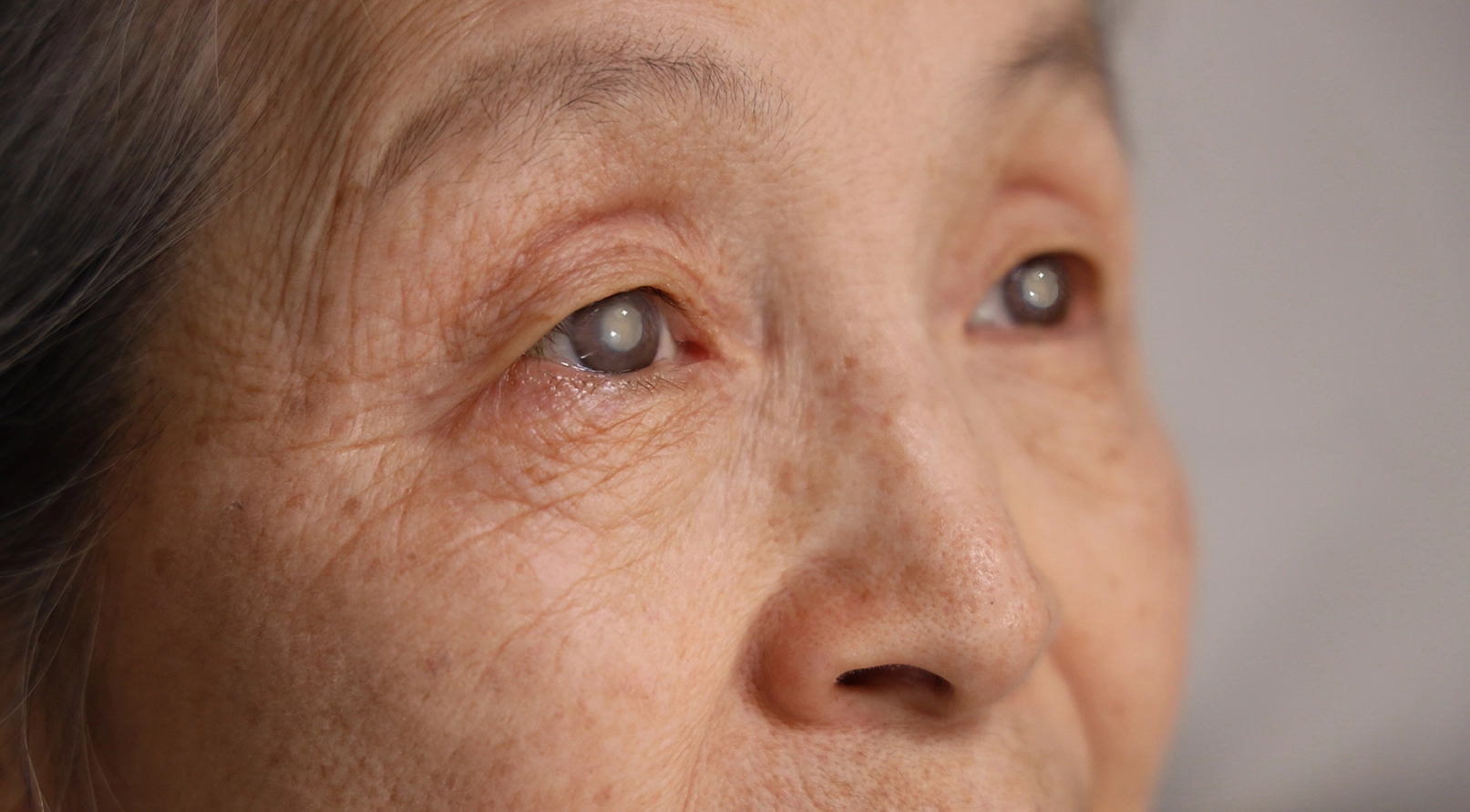

Cataract surgery is a proven method for restoring vision when the natural lens becomes cloudy. With the introduction of bladeless, or laser-assisted, techniques, patients now have access to a more advanced and tailored approach to treatment. Although both bladeless and traditional methods are effective, the way each procedure is performed can affect precision and the overall surgical experience. Understanding these differences can help you decide which option aligns best with your expectations and lifestyle.
What Is Cataract Surgery and Why Is It Needed?
Cataract surgery is a common procedure used to restore vision when the eye’s natural lens becomes cloudy, a condition known as a cataract. This clouding can cause blurred vision, glare sensitivity, faded colours, and difficulty seeing at night.
In the early stages, symptoms may be managed with updated glasses or better lighting. However, when vision begins to interfere with daily activities such as reading or driving, surgery is typically recommended.
The procedure involves removing the cloudy lens and replacing it with a clear artificial lens (intraocular lens, or IOL) to help restore vision. It is a widely performed and highly effective treatment for improving both vision and quality of life.
What Is Bladeless Cataract Surgery?
Bladeless cataract surgery, also known as laser-assisted cataract surgery, is an advanced technique that uses a femtosecond laser to perform key steps of the procedure. Instead of relying solely on handheld surgical instruments, the laser is guided by detailed imaging of the eye, supporting greater precision and consistency in certain steps.
The laser is typically used to create corneal incisions, open the front portion of the lens (capsulotomy), and soften the cataract before it is removed. By automating these steps, the procedure can be more customised to each patient’s eye structure.
Bladeless Cataract Surgery vs Traditional Cataract Surgery
Bladeless and traditional cataract surgery share the same goal, which is to remove the cloudy lens and replace it with an artificial one, but they differ in how certain steps of the procedure are performed.
| Feature | Bladeless Cataract Surgery | Traditional Cataract Surgery |
|---|---|---|
| Technique | Laser-assisted for selected steps | Manual surgical instruments |
| Precision | Computer-guided, highly precise for key steps | Highly precise, surgeon-controlled |
| Incisions | Created using a femtosecond laser | Created manually by the surgeon |
| Lens preparation | Laser softens the cataract before removal, followed by ultrasound | Ultrasound used to break up and remove the lens |
| Customisation | Imaging-guided and highly tailored | Surgeon-planned and customised |
| Technology used | Advanced laser with integrated imaging systems | Conventional microsurgical instruments with ultrasound technology |
What Are the Benefits of Bladeless Cataract Surgery?
Bladeless cataract surgery offers several potential advantages by incorporating advanced laser technology into the procedure. While outcomes vary between individuals, this approach may provide a more refined and personalised treatment experience.
Greater accuracy and predictability
The use of computer-guided laser technology may enhance the precision of key surgical steps, contributing to more consistent outcomes.More personalised treatment planning
Detailed imaging allows the procedure to be tailored to the unique structure of each eye, supporting a more customised approach to vision correction.Gentler treatment process
By preparing the cataract before removal, the procedure may reduce the amount of ultrasound energy required within the eye in certain cases.Improved consistency across procedures
Automating parts of the surgery helps standardise key steps, reducing variability and supporting a more controlled surgical process.Suitable for advanced vision correction options
This approach may be particularly beneficial for patients considering advanced intraocular lens options, such as trifocal implant lenses.
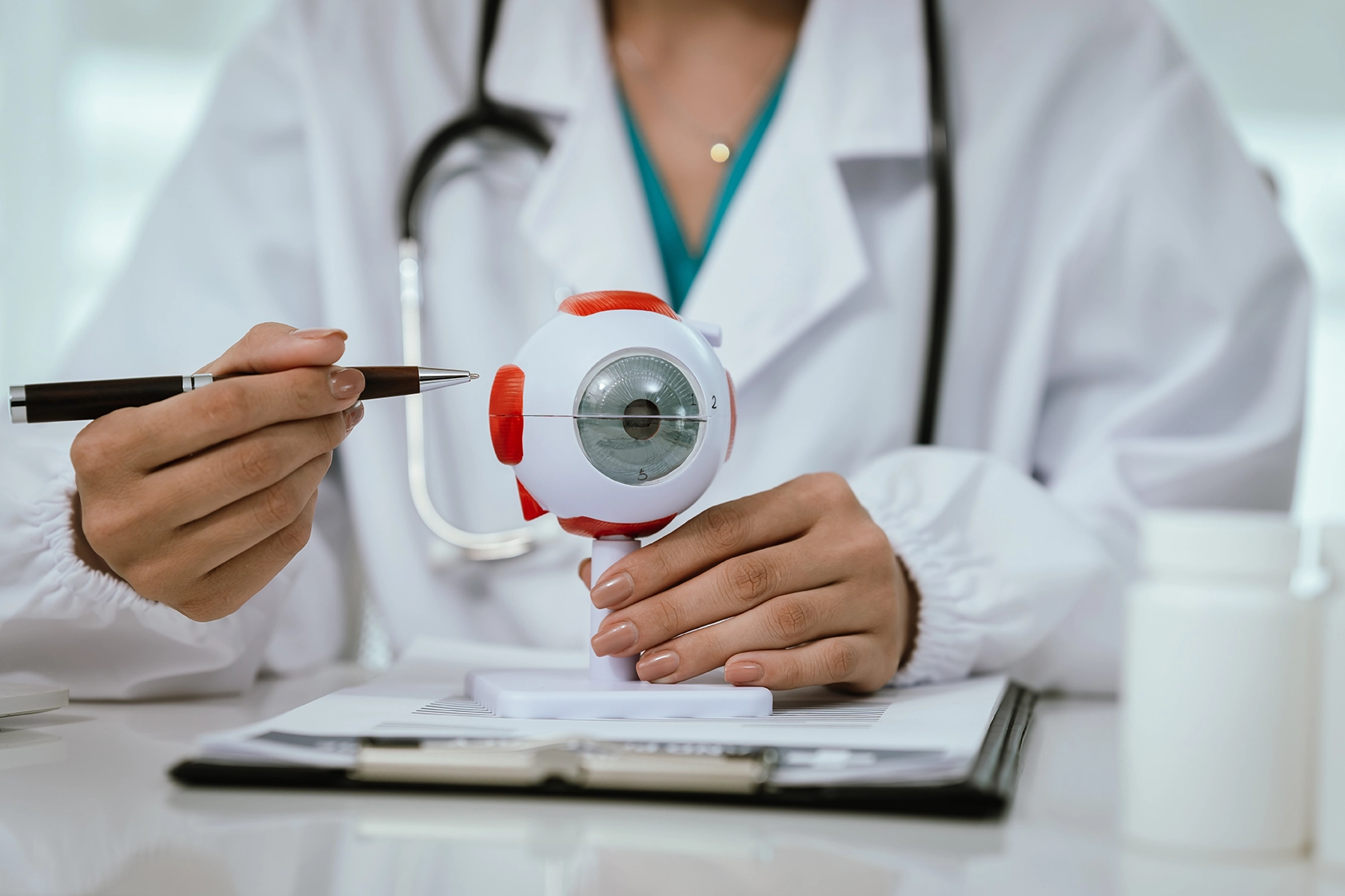
Seek the Most Appropriate Cataract Surgery Option for You
Bladeless cataract surgery represents a modern, technology-assisted approach that may offer greater precision and customisation compared to traditional methods. However, both techniques are well-established and effective in restoring clear vision. The most appropriate choice depends on your individual eye condition, lifestyle needs and treatment goals. Consulting an eye specialist will help ensure you receive a personalised recommendation tailored to achieving the best possible outcome.
At Dr Leo Adult & Paediatric Eye Specialist Clinic, we are committed to delivering personalised cataract care using safe, modern, and evidence-based techniques. Led by Dr Leo Seo Wei, who has over two decades of clinical experience, our team provides expert guidance on both traditional and bladeless cataract surgery options. Book a consultation with our specialist if you are considering bladeless or traditional cataract surgery, or are unsure which treatment is most appropriate for you.