
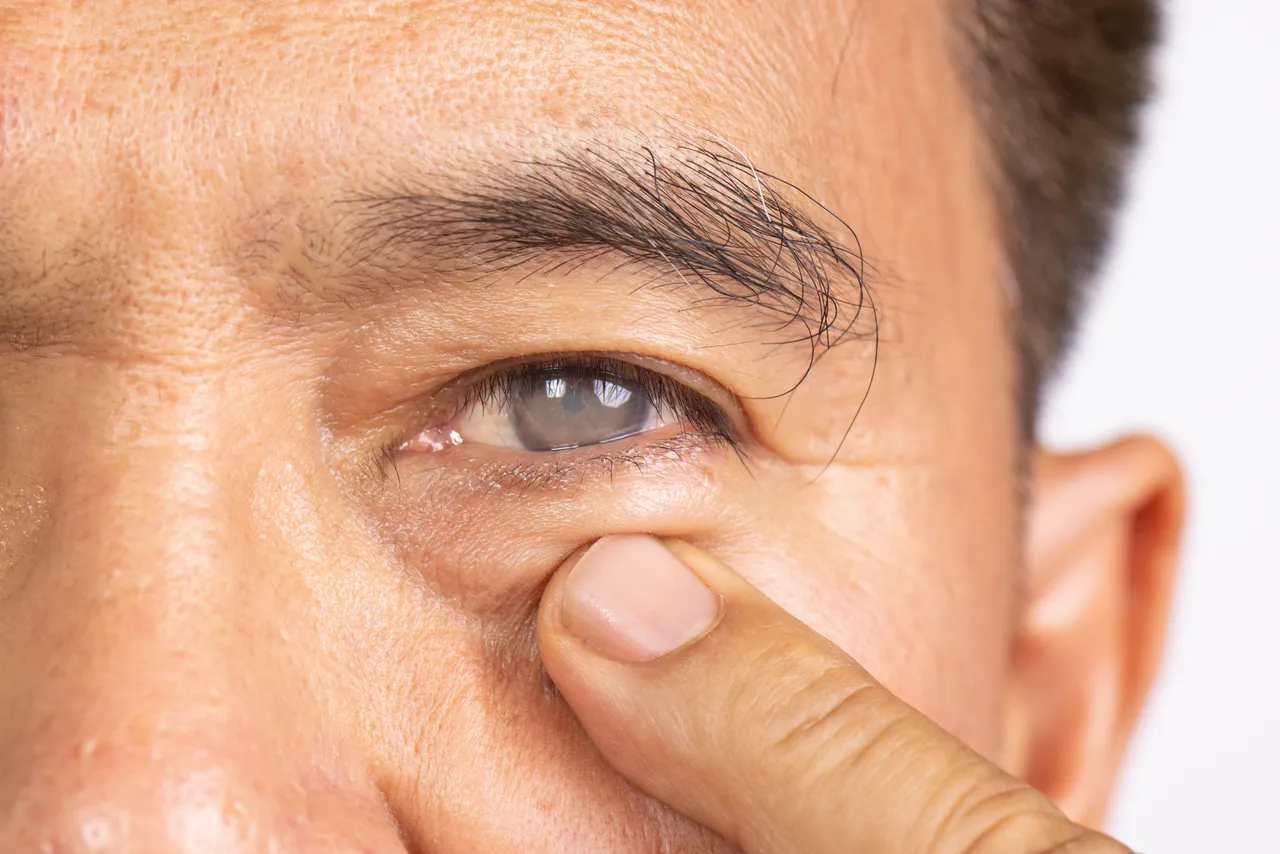

You go for a routine eye test expecting nothing more than a prescription update, only to be told your eye pressure is slightly raised. There is no pain, no obvious vision change and yet your optometrist suggests seeing a specialist. For many people, this is how concerns about glaucoma first surface quietly, unexpectedly and often without warning.
Glaucoma is commonly known as the “silent thief of sight” because it can progress without noticeable symptoms until permanent vision loss has already occurred. If glaucoma runs in your family, or if certain health and lifestyle factors apply to you, understanding your personal risk becomes even more important. Continue reading as we explore who is most at risk, what increases susceptibility and how early assessment can make all the difference.
Lifestyle and Health-Related Risk Factors
Daily habits and underlying medical conditions play a meaningful role in long-term eye health. While these factors do not directly cause glaucoma, they can increase vulnerability by affecting blood flow, optic nerve resilience and eye pressure regulation. It is important to inform your eye specialist if any of the following apply to you.
Smoking
Smoking increases oxidative stress throughout the body, including the eyes. Over time, this can impair blood supply to the optic nerve and contribute to inflammation, reducing the nerve’s ability to tolerate pressure changes.
Diabetes
Poorly controlled diabetes can damage small blood vessels that supply the optic nerve. Changes in the retina and surrounding structures may also heighten sensitivity to pressure-related injury, increasing glaucoma risk.
Hypertension
High or fluctuating blood pressure can disrupt stable circulation to the optic nerve. In the long term, this may compromise oxygen delivery and weaken nerve health, particularly when combined with elevated eye pressure.
High Myopia
Severe short-sightedness alters the structure of the eye, often causing elongation and thinning around the optic nerve. These structural changes can make the nerve more susceptible to damage even at pressure levels considered normal.
Steroid use
Prolonged or unsupervised use of corticosteroids can lead to raised intraocular pressure. This includes steroid eye drops, inhalers, oral medication and joint injections, especially when used over extended periods.
Eye injury
Trauma to the eye can damage drainage channels that regulate fluid outflow. Scarring, inflammation or bleeding following injury may result in persistently elevated eye pressure years later.
Hereditary and Genetic Risk Factors
A family history of glaucoma remains one of the strongest predictors of risk. If a parent or sibling has been diagnosed, your likelihood of developing the condition is significantly higher than average. Genetics plays a key role in how eye pressure is controlled and how sensitive the optic nerve is to damage. This is particularly true for primary open-angle glaucoma, where inherited traits can influence disease onset and progression over time. Even without symptoms, regular monitoring is strongly advised for those with affected relatives.

Age and Demographic Risk Factors
Glaucoma becomes more common with age, particularly after 40, with risk continuing to rise in later decades. Age-related changes in eye anatomy and circulation contribute to increased vulnerability.
Certain demographic groups face additional risks. People of Asian heritage are more prone to angle-closure glaucoma due to naturally narrower drainage angles within the eye. Women are also generally at higher risk of angle-closure glaucoma, while both men and women over 60 should remain alert to subtle changes in vision or eye pressure.
Practical Steps to Reduce Your Glaucoma Risk
Although factors such as age and genetics cannot be altered, there are ways to support long-term eye health and reduce overall risk.
- Keep blood pressure and diabetes well controlled to protect optic nerve circulation
- Avoid prolonged steroid use unless medically supervised
- Maintain moderate caffeine intake, as excessive consumption may transiently raise eye pressure
- Eat a balanced diet rich in leafy greens, omega-3 fatty acids and antioxidants to support retinal and optic nerve health
Glaucoma Care Led by Dr Leo Seo Wei
While glaucoma is a progressive condition, its effects can often be well controlled when detected early. With appropriate monitoring and timely intervention, many individuals continue to enjoy clear, functional vision and maintain their quality of life without major disruption.
If glaucoma risk has been on your mind, this is an opportunity to gain clarity and reassurance at Dr Leo Adult & Paediatric Eye Specialist. Led by Senior Consultant Ophthalmologist Dr Leo Seo Wei, glaucoma assessment goes beyond a single reading, with careful evaluation designed to identify changes early. Arrange a consultation today and take a proactive step towards safeguarding your sight under experienced specialist care.