


Eye floaters are small moving spots or threads that appear in your vision, especially against bright backgrounds. They are usually harmless and caused by natural ageing changes in the eye. However, a sudden increase in floaters or symptoms such as flashes or vision loss may signal a more serious condition that requires urgent medical attention. Understanding when eye floaters are normal and when they may be a warning sign can help you take the right steps to protect your vision.
Key Takeaways
- Eye floaters are usually harmless and caused by natural ageing changes in the eye.
- They appear as small moving spots or threads, especially against bright backgrounds.
- Seek urgent medical care if floaters appear suddenly, increase rapidly, or are accompanied by flashes or vision loss.
- These symptoms may indicate retinal tears or detachment, which require prompt treatment.
What Are Eye Floaters?
Eye floaters are small shapes that drift across your field of vision. They may appear as dots, threads, or cobweb-like shadows, especially when looking at bright backgrounds such as the sky or a screen.
Floaters occur when tiny clumps form in the vitreous, the gel-like substance inside the eye, and cast shadows on the retina.
What Causes Eye Floaters?
The most common cause of eye floaters is natural ageing of the vitreous. As the vitreous becomes more liquid, small clumps can form and become visible.
Common causes include:
- Age-related vitreous changes: The most frequent cause, developing gradually over time.
- Posterior vitreous detachment (PVD): Occurs when the vitreous separates from the retina, often causing a sudden increase in floaters.
- Inflammation or bleeding in the eye: May be linked to conditions such as diabetic eye disease or uveitis.
- High myopia (short-sightedness): Increases the likelihood of vitreous changes and floaters.
Are Eye Floaters Normal and Harmless?
Yes, eye floaters are usually normal and harmless.
They are a common part of ageing and are more likely to occur:
- After the age of 40
- In individuals with myopia (short-sightedness)
- After certain eye procedures or natural vitreous changes
In most cases, floaters develop gradually and remain stable. They may seem more noticeable at first but often become less bothersome over weeks to months as the brain adapts.
When Should You Worry About Eye Floaters?
Seek urgent eye care if you notice any of the following:
- A sudden increase in the number of floaters
- Flashes of light in your vision
- A dark shadow or “curtain” over part of your vision
- Sudden loss of vision
- Floaters following an eye injury
These symptoms may indicate retinal tears or retinal detachment, which can lead to permanent vision loss if not treated early.
How Are Eye Floaters Diagnosed?
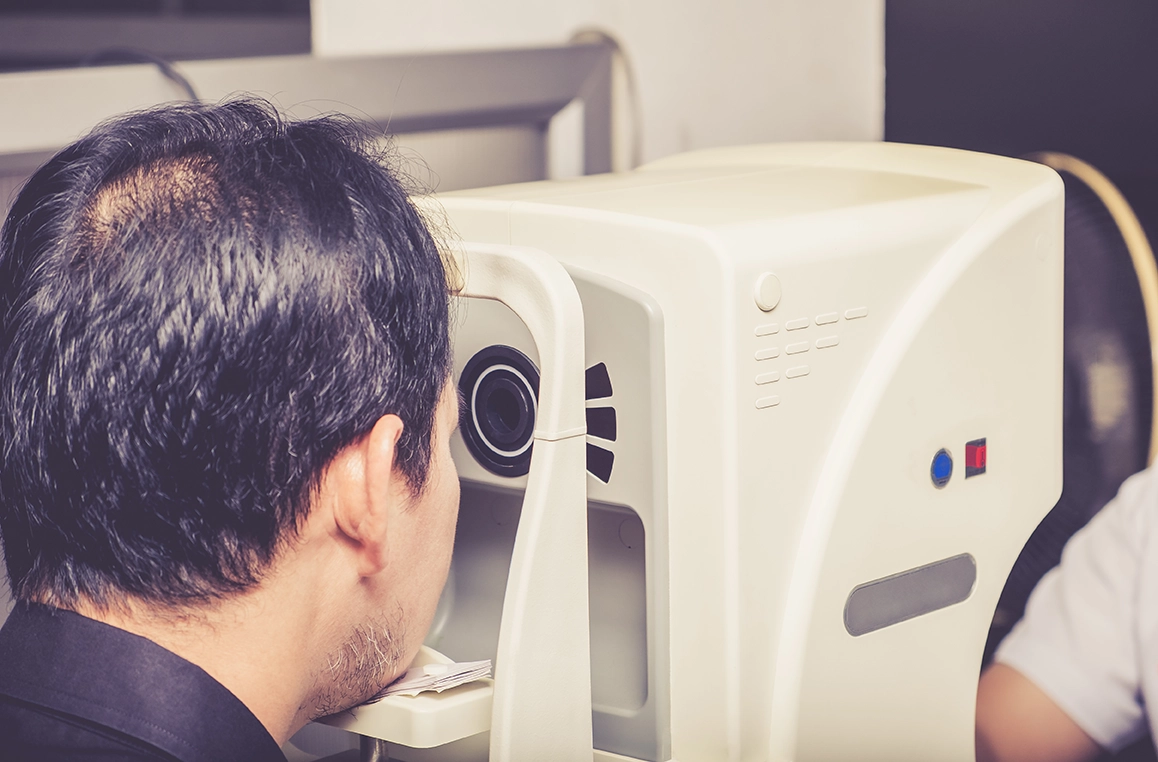
An eye specialist can determine the cause of floaters through a comprehensive eye examination.
This may include:
- Retinal examination: Checks for tears, holes, or detachment
- OCT scan (optical coherence tomography): Provides detailed imaging of the retina
- Vision assessment: Evaluates overall eye health and clarity of vision
Most assessments can be completed within a single visit, with clear guidance on whether monitoring or treatment is required.
Specialist Assessment for Eye Floaters with Dr Leo Seo Wei
Eye floaters are common and often a normal part of ageing, but changes in their appearance or frequency should not be ignored. Understanding the difference between harmless floaters and warning signs can help you respond appropriately.
At Dr Leo Adult & Paediatric Eye Specialist Clinic, we focus on delivering a supportive and well-guided patient journey from consultation to follow-up care. With over 20 years of clinical experience, Dr Leo Seo Wei ensures each treatment plan is customised using safe, modern and evidence-based approaches. Speak to our team if you notice eye floaters or changes in your vision and we will guide you through the next steps.