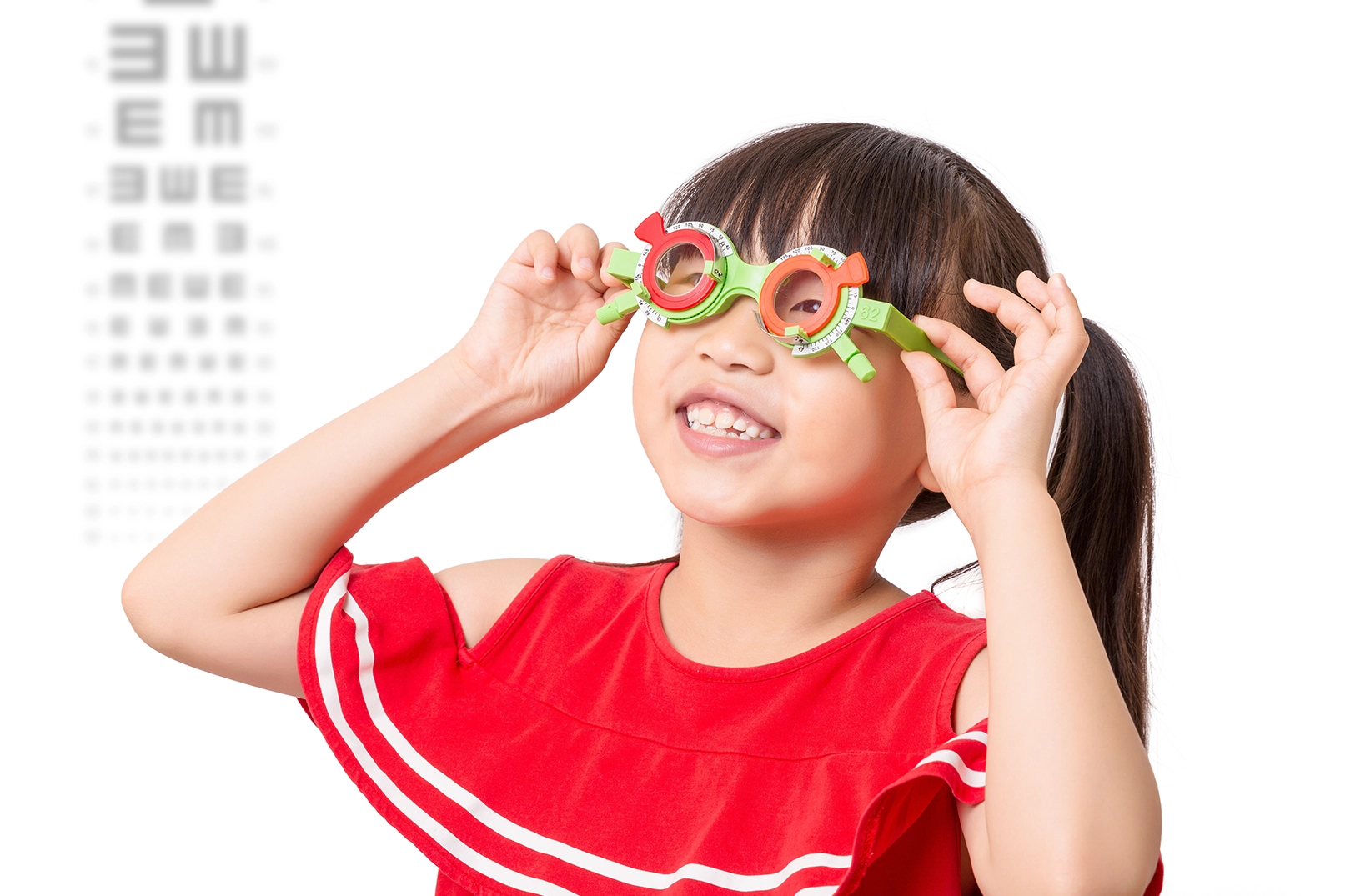

Starting school is an exciting milestone that brings new opportunities for learning, reading and social development. As children spend more time reading, writing, using digital devices and looking at classroom boards, greater demands are placed on their vision. Clear eyesight plays an important role in helping them learn, participate in class and keep up with everyday school activities.
Many parents assume their child would tell them if they had difficulty seeing. However, many children do not realise their vision is affected because they have nothing to compare it with. They may adapt to blurred vision or other visual problems without complaining, making routine eye screening an important part of supporting their development before and during their school years.
Early childhood eye screening can identify problems that might otherwise go unnoticed, allowing appropriate treatment to begin promptly.
Why Is Eye Screening Important Before School?
Good vision supports many aspects of a child's development, from recognising visual information in the classroom to interacting confidently with their surroundings throughout the school day.
Young children may not realise that they have a vision problem because they have never experienced normal vision for comparison. Some may unknowingly rely more heavily on one eye or compensate by sitting closer to books or screens. Without routine eye screening, these problems may remain undetected until they begin affecting academic performance or become more difficult to treat.
Routine eye screening can detect conditions before symptoms become obvious, allowing treatment to begin when it is likely to be most effective. Prompt treatment supports healthy visual development and may reduce the risk of permanent vision impairment in conditions where timely intervention is important.
What Eye Conditions Can Eye Screening Help Detect?
Paediatric eye screening assesses how well your child's eyes see, focus and work together while checking for signs of eye conditions that may require further assessment or treatment. Identifying these conditions early allows appropriate treatment to begin before they affect vision development or daily activities.
Common conditions that eye screening may identify include:
Refractive errors
This includes myopia (short-sightedness) , hyperopia (long-sightedness) and astigmatism, which may be managed with spectacles or other vision management strategies.
Amblyopia (lazy eye)
Amblyopia is when one eye develops poorer vision than the other. Treatment is generally most effective when started during early childhood, when the visual system is still developing.
Strabismus (eye misalignment)
Strabismus, commonly known as squint, may affect depth perception and normal visual development if left untreated. It can also increase the risk of amblyopia if not managed appropriately.
Binocular Vision or Focusing Problems
These affect how the eyes work together or maintain focus, particularly during reading and other close-up activities.
Other Eye Health Conditions
Conditions such as congenital cataracts, dry eye disease and structural abnormalities may also be identified during screening and may require further assessment by an eye specialist.
When Should Children Have Their Vision Tested?
Many children undergo routine eye screening through school health programmes. However, these screenings may not detect every eye condition or identify problems as early as possible. If you have concerns about your child's vision or if they have additional risk factors, an earlier or more comprehensive assessment may be appropriate.
Children may benefit from earlier or more frequent eye screening if they:
- Have a family history of myopia, lazy eye or other childhood eye conditions.
- Were born prematurely or experienced complications around birth.
- Have developmental or neurological conditions associated with vision problems.
- Already wear spectacles or are being monitored for an existing eye condition.
A child's vision can change as they grow, particularly during the primary school years when myopia commonly develops or progresses. Regular eye screening helps detect these changes so treatment can be adjusted when needed.
Signs Your Child May Need an Eye Screening
Children don't always tell you they're struggling to see. Instead, vision problems often appear as everyday habits or behaviours that are easy to dismiss. If you notice any of the following changes, arrange an eye screening rather than waiting for the next routine vision check.
These may include:
- Squinting to see distant objects.
- Sitting unusually close to televisions or digital screens.
- Holding books very close when reading.
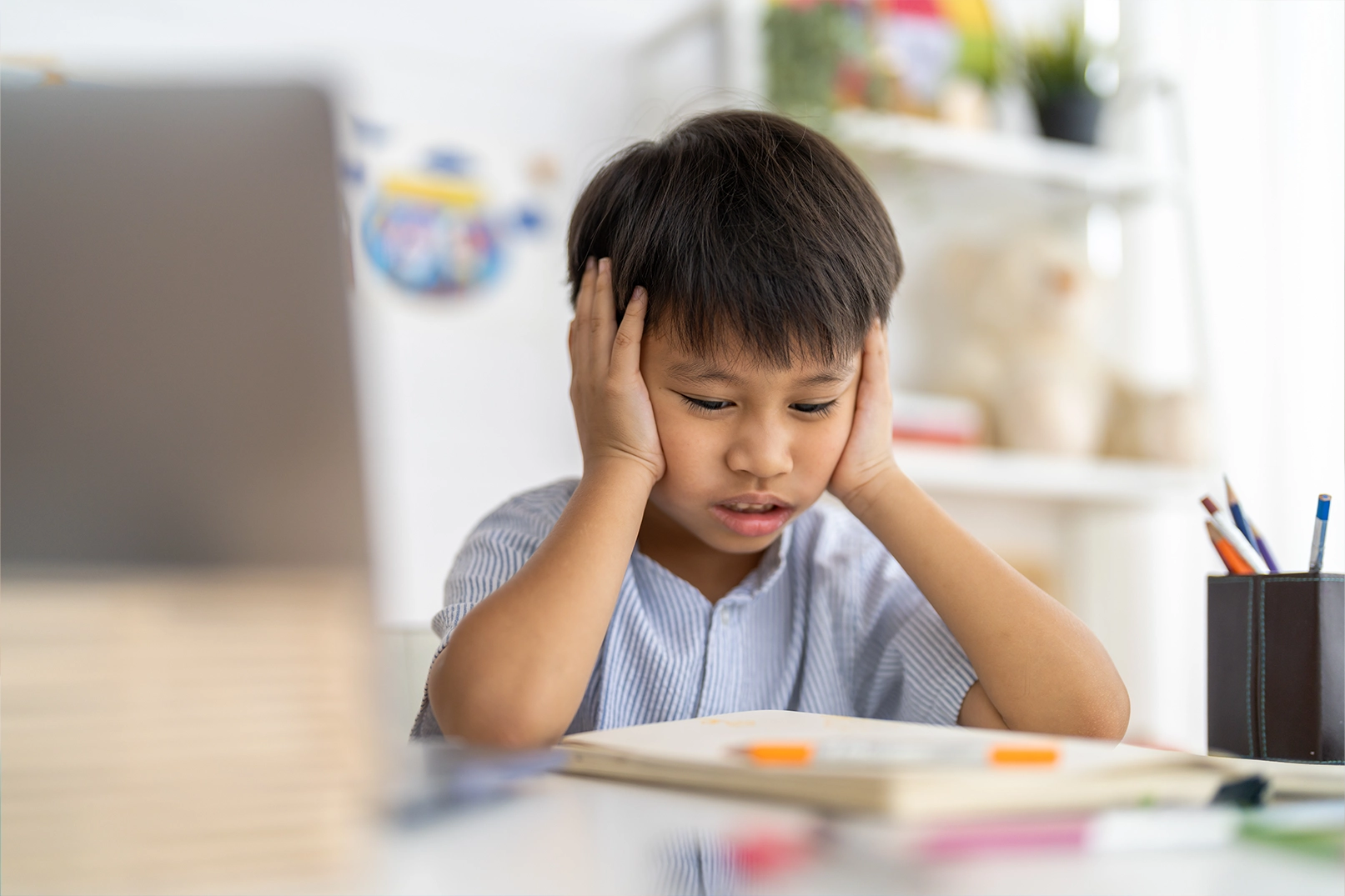
- Frequent headaches, particularly after school or reading.
- Rubbing the eyes often despite not being tired.
- Tilting or turning the head when looking at objects.
- Covering one eye while reading or focusing.
- Complaining of blurred or double vision.
- Difficulty concentrating during reading or schoolwork.
Although these signs do not always indicate an eye condition, they should not be ignored. An eye screening can help determine whether further assessment or treatment is needed.
What Happens During a Children's Eye Screening?
Eye screening for children is generally quick, comfortable and non-invasive. The assessment is designed to evaluate your child's vision and identify signs of eye conditions that may require further investigation.
The appointment usually begins with a review of your child's medical and family history, followed by age-appropriate vision tests to assess how clearly they can see at different distances. Depending on your child's age and symptoms, the assessment may also check eye alignment, eye movements and focusing ability to see how well both eyes work together. The overall health of the eyes may also be assessed to look for signs of underlying eye disease or structural abnormalities. If any concerns are identified, your ophthalmologist will explain the findings and recommend whether further assessment or treatment is needed. Most assessments are adapted to your child's age and are designed to keep them comfortable throughout the appointment.
Support Your Child's Learning with Early Eye Screening
Routine eye screening allows your child's vision to be monitored as they grow, helping to identify changes that may require further assessment or treatment. Identifying problems early allows treatment to begin when it is likely to be most effective, supporting healthy visual development and everyday learning.
At Dr Leo Adult & Paediatric Eye Specialist, we provide comprehensive eye screening for children of all ages. Whether your child is preparing to start school, has developed symptoms of a possible vision problem or is due for a routine vision check, our team can assess their vision and recommend appropriate next steps.
Dr Leo Seo Wei provides comprehensive assessment and management of paediatric eye conditions, guiding families through diagnosis, treatment and long-term eye care with clear, evidence-based advice. Schedule an appointment with us for a comprehensive eye assessment.